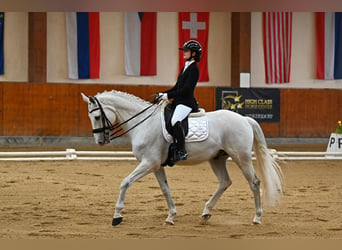
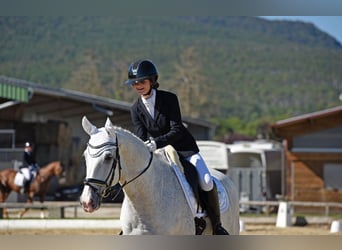
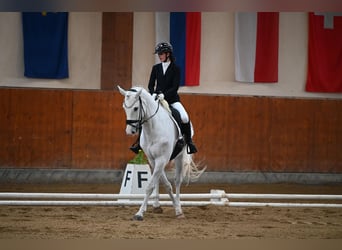
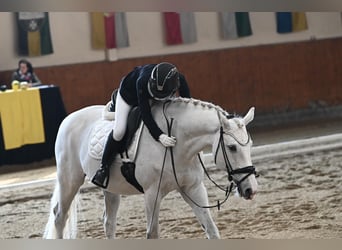
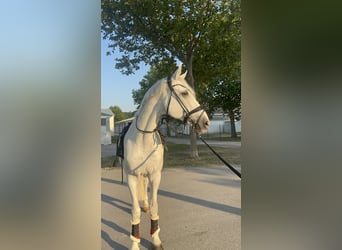
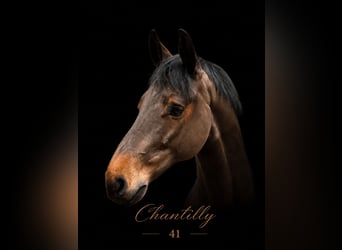
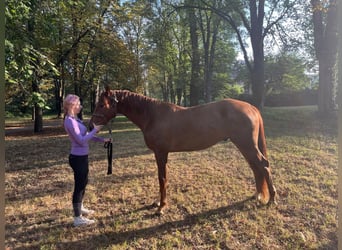
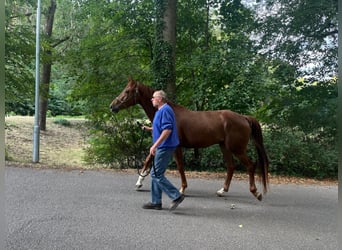
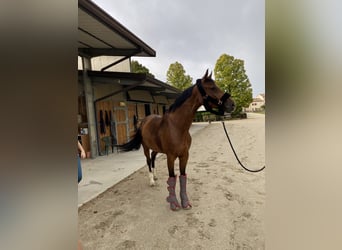
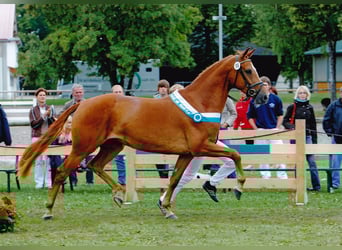
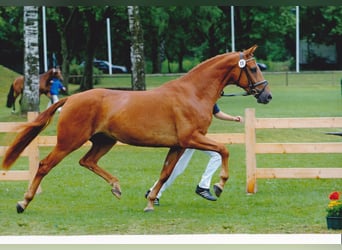
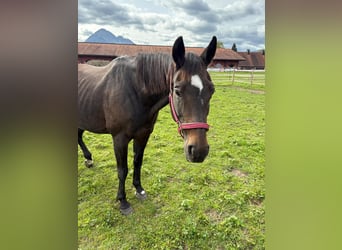
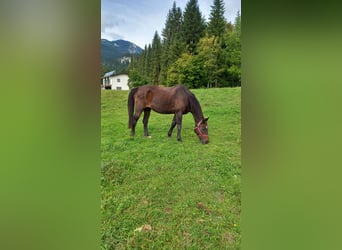
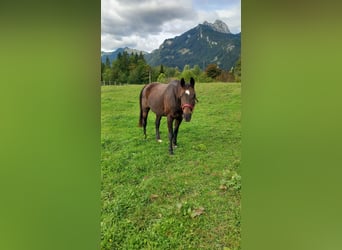
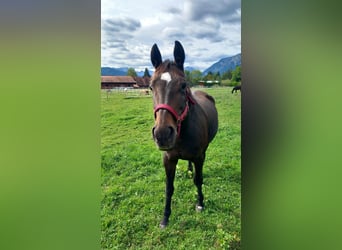
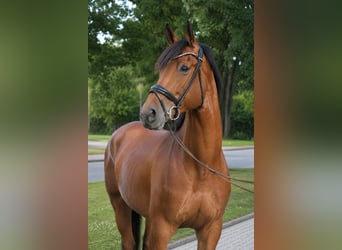
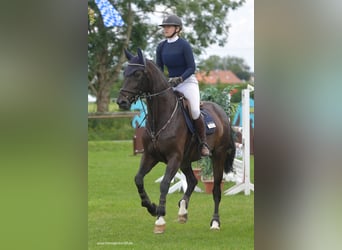
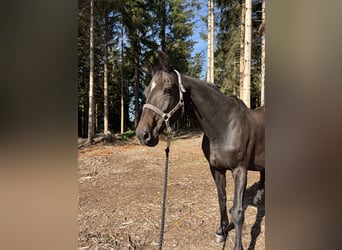
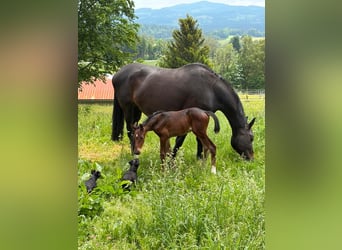
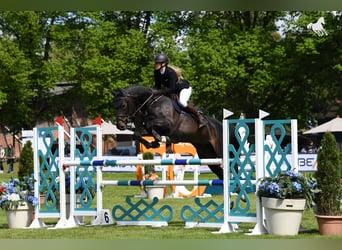
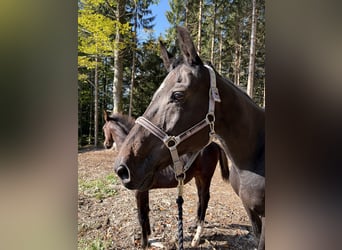
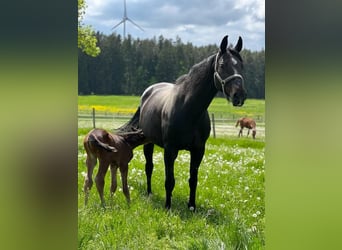
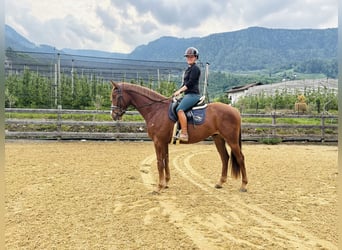
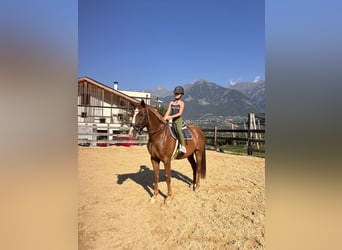
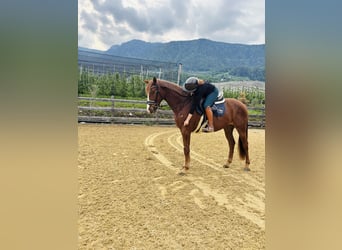
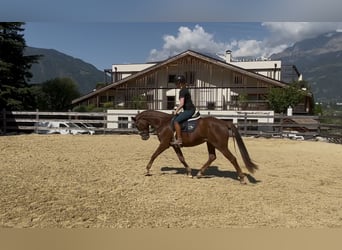
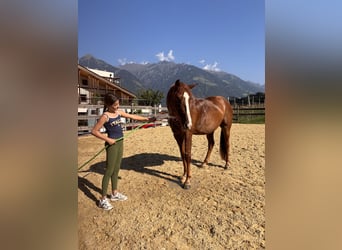
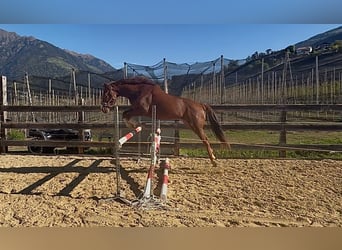
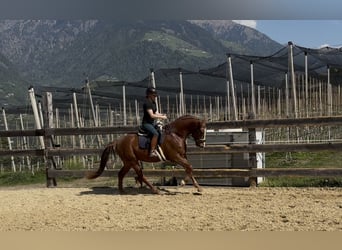
Bavarian Warmbloods for sale on ehorses
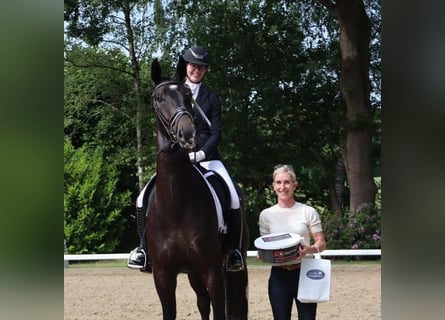
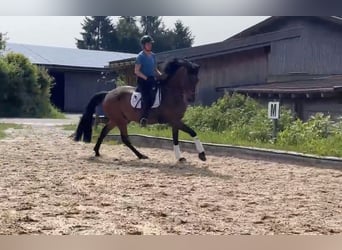
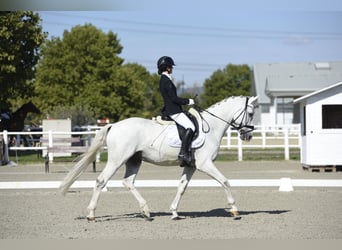
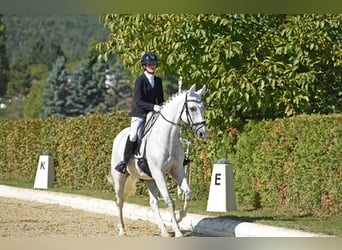
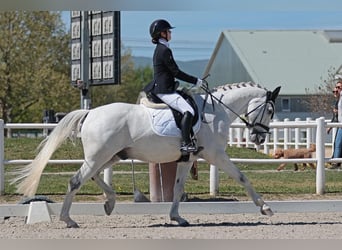
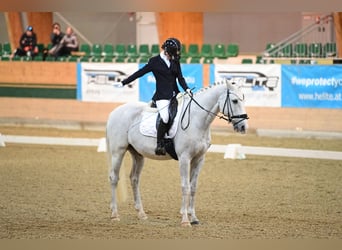
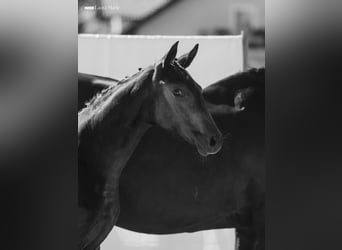
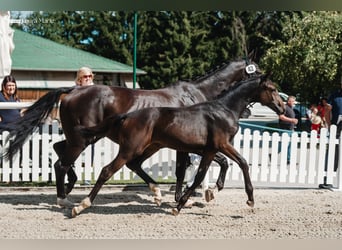
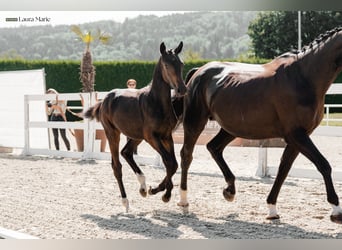
The Bavarian Warmblood is a modern breed, even though horse breeding in this south-east corner of Germany has a long and distinguished history. It is an internationally renowned sport horse breed, capable of competing at Olympic level. These imposing horses have impressive good looks and are fine performance horses. Its high ranking means that riders in several world cup teams have decided to buy a Bavarian Warmblood. Breeders who will raise and sell a Bavarian Warmblood focus on athleticism and a good temperament in their horses. It is these qualities, rather than fixed breed standards, that make the Bavarian Warmblood a desirable international performance horse, and the open studbook allows for ongoing improvement.
Use and Characteristics of the Bavarian Warmblood
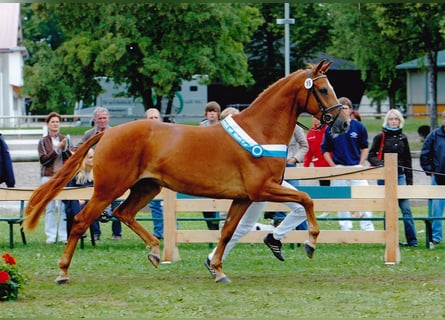
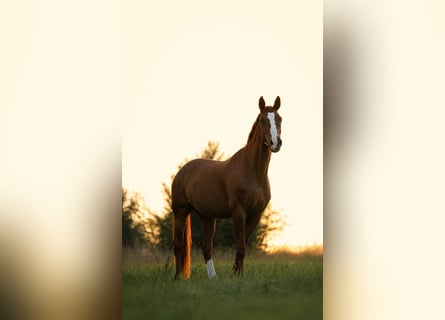
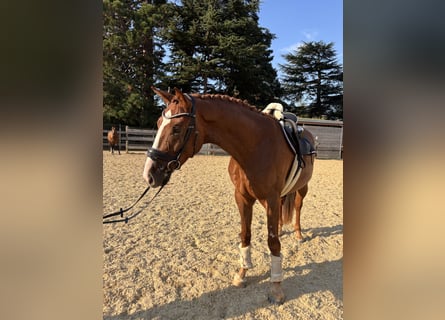
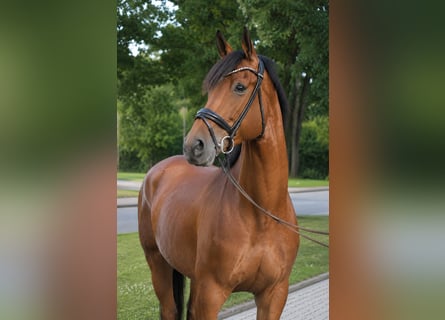
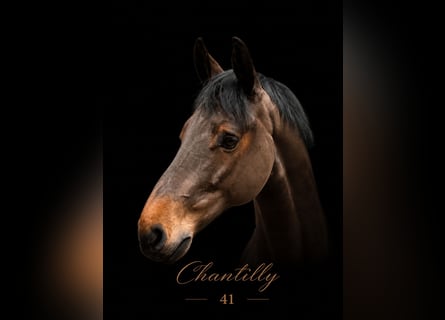
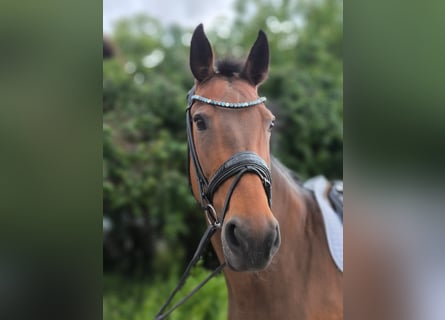
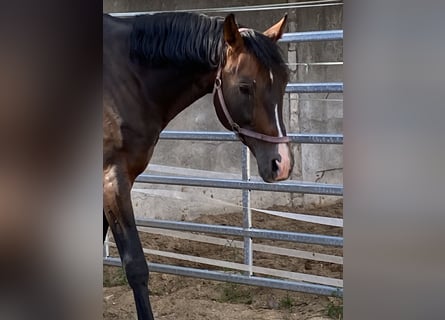
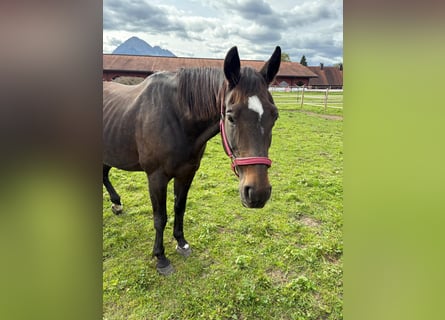
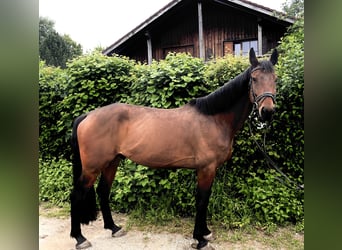
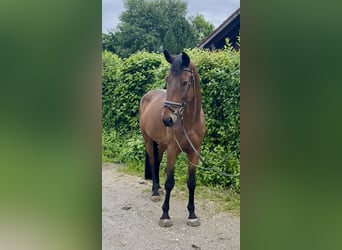
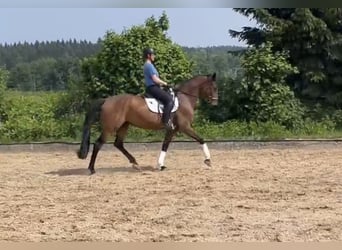
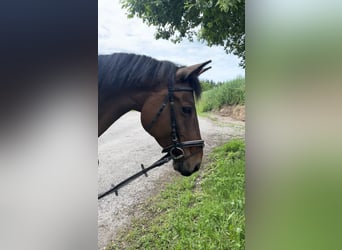
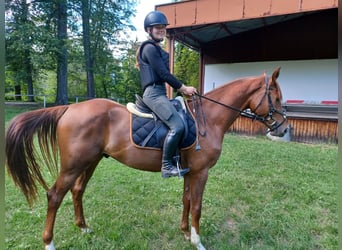
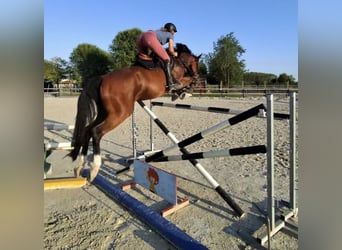
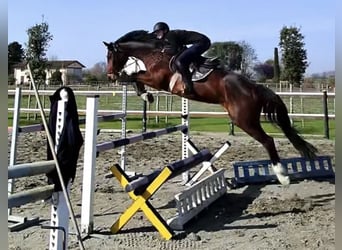
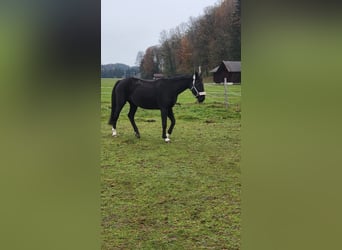
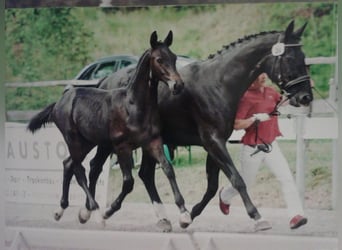
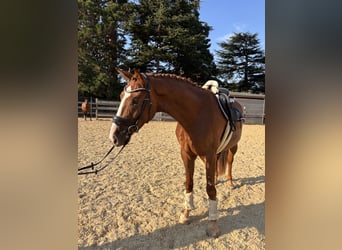
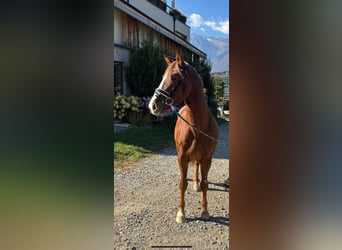
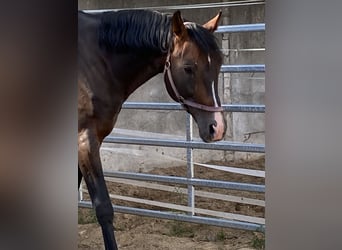
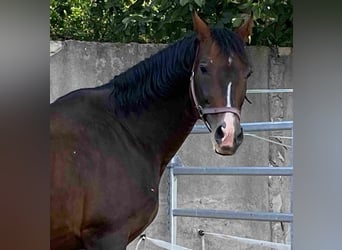
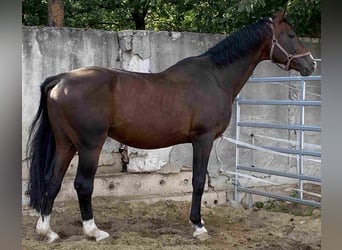
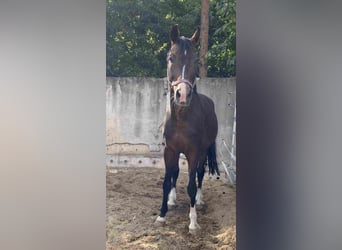
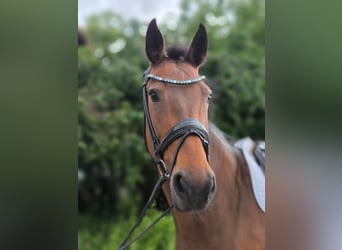
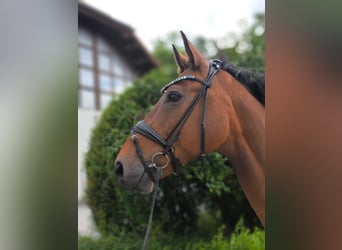
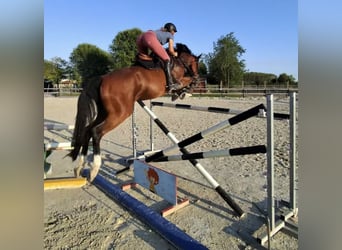
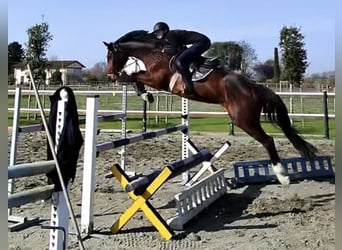
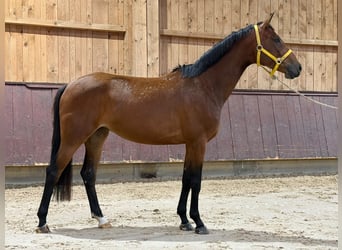
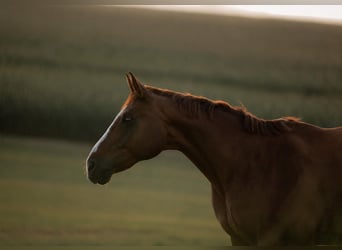
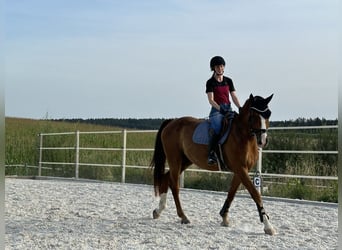
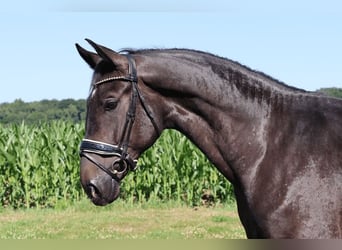
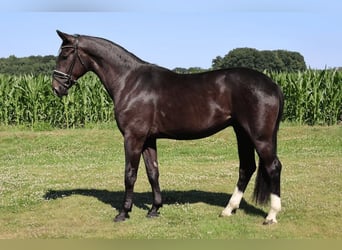
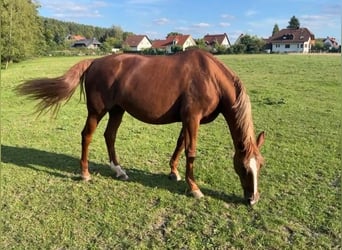
Ideally, the Bavarian Warmblood should stand between 15.2 hands (62 inches/157 cm) and 16.2 hands (66 inches/168 cm) high. Like the majority of warmblooded horses bred for competing, coat colours tend to be solid and are often chestnut, bay and black, although no colour is disbarred. When riders buy a Bavarian Warmblood, its authenticity is confirmed by the crowned shield and letter “B” branded on the horse’s left thigh. First and foremost, the horses should be confident jumpers, both temperamentally and physically. They need to have scope and athleticism plus the right attitude. Those who breed and sell a Bavarian Warmblood actively select for these qualities, along with the horse’s inherent ability to “bascule” - the way it clears the fence in a clean arc. The gaits of this breed are rhythmic and the stride is long.
Origin and history of breeding Bavarian Warmbloods
The Rott Valley in Bavaria was the home of Bavaria’s own horse breed, the Rottaler , or Rottal Horse . These heavy warmbloods had a long history in the region, having allegedly been war horses for aristocracy in medieval times. Often chestnut in colour, they were said to be the descendants of several different types of horse, including indigenous Tarpan-like wild ponies and the agile horses of Hun invaders. By the eighteenth century, the Rottal Horse was a recognised breed. They were handsome and practical horses, capable of working on farms as cavalry horses, but also as carriage horses. When changing times brought a requirement for larger, stronger horses, the Rottal Horses were bred with Oldenburgs , Cleveland Bays and other breeds to produce a heavyweight warmblood , and a Rottal registry was set up in 1907. Further changes came after WWII, with a growing interest in equestrian sports such as dressage. In 1963 the Rottal Horss became the Bavarian Warmblood, and the new breed was heavily influenced by stallions of leading German breeds, such as Holsteins and Hanoverians , plus Westphalians , Trakehners , and Thoroughbreds . Since 1994, there has also been a drive to preserve the original Rottal Horse , which had nearly disappeared. In recent years, Bavarian warmblood breeders have participated in several joint initiatives such as the South-German Stallion Licensing event and foal auctions, along with breed organisations of Baden-Wuerttemberg, Rheinland-Pfalz Saar, and Saxony-Thueringen. They also have membership of the German Sport Horse group. With the focus on athleticism and temperament, stallions of many German breeds can be found in the registry, as can Thoroughbred , Dutch Warmblood and Trakehner stallions. Russian breeds are also represented.
Bavarian Warmbloods in Equestrianism
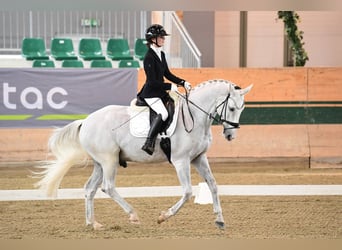
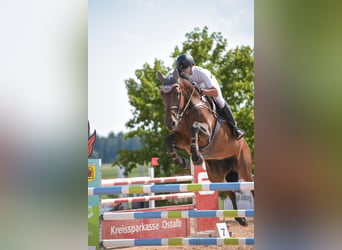
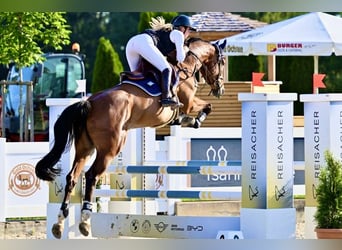
The decision to use quality stallions of many breeds in the registry has brought a high degree of success to the Bavarian Warmblood in eventing, show jumping and dressage. In 1997, the Bavarian Warmblood stallion ‘Lord Sinclair’ was sold at auction for a record total of £950,000.