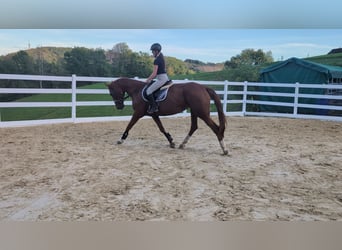
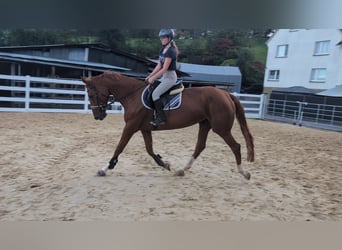
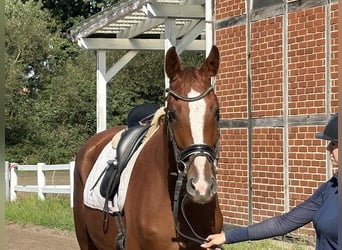
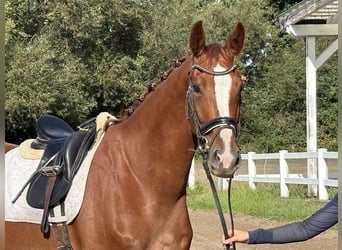
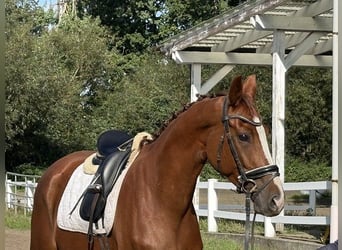
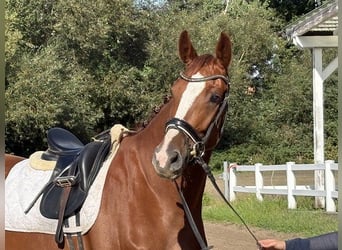
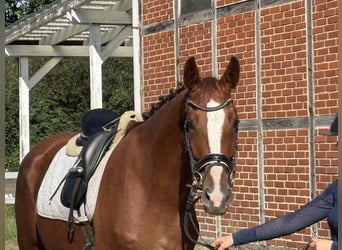
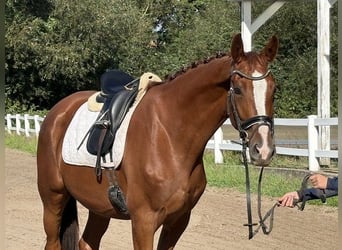
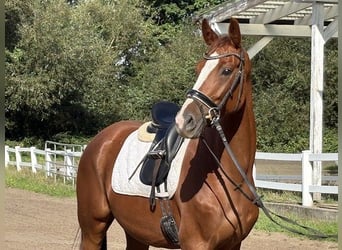
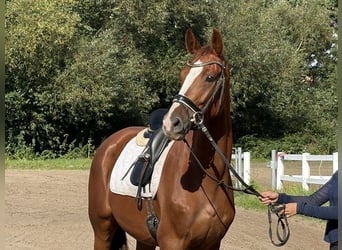
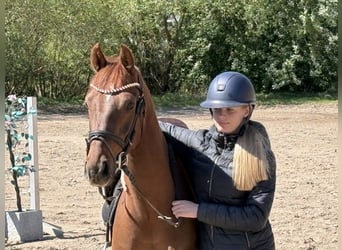
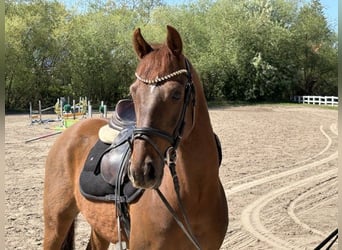
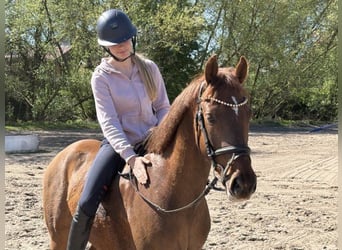
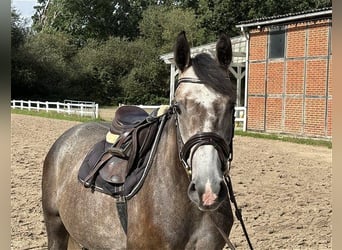
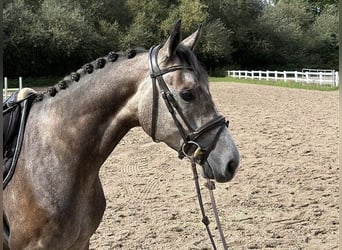
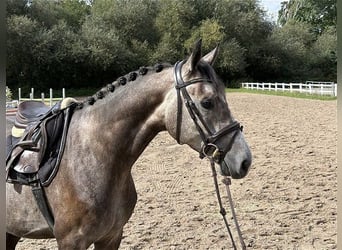
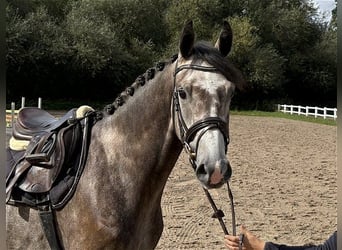
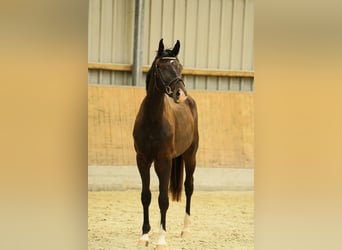
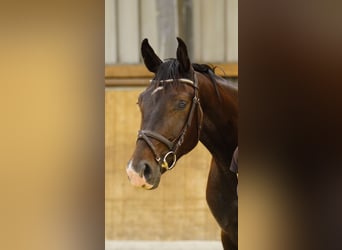
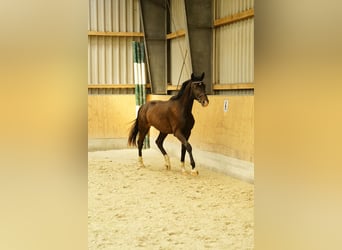
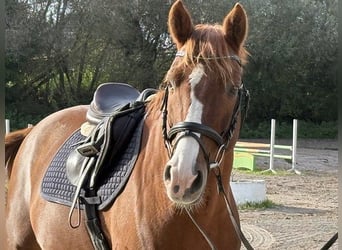
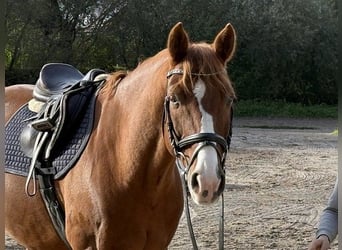
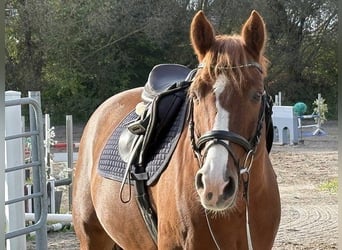
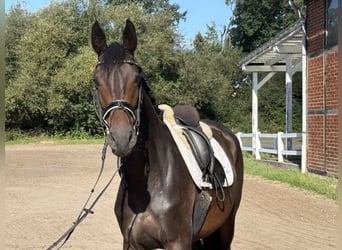
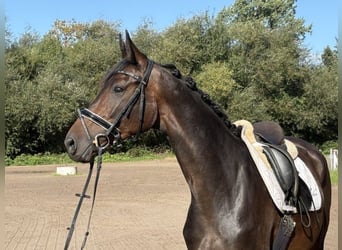
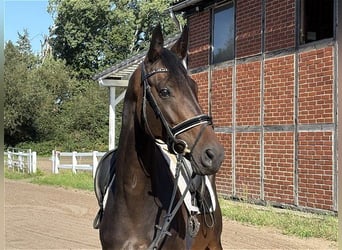
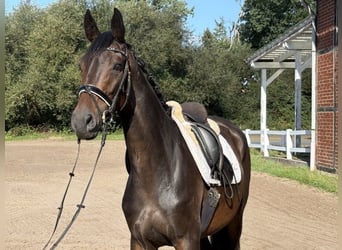
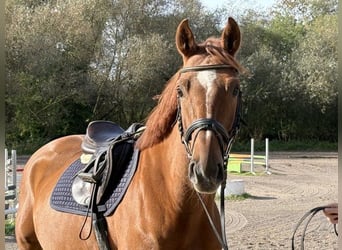
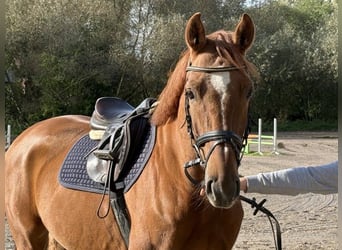
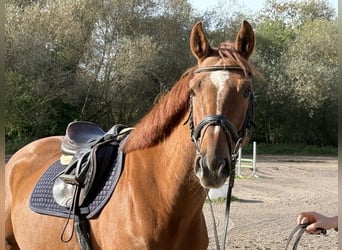
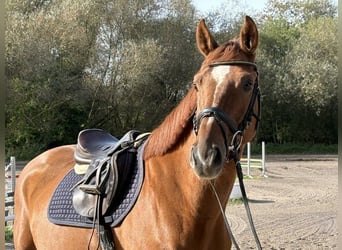
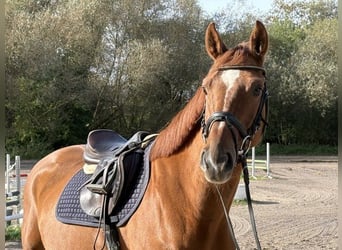
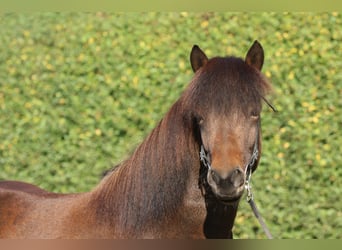
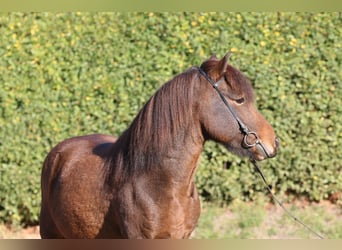
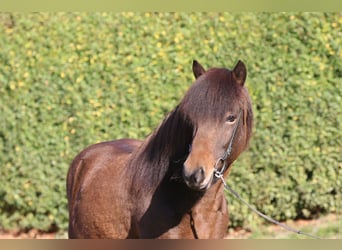
Assateague Ponies for sale on ehorses
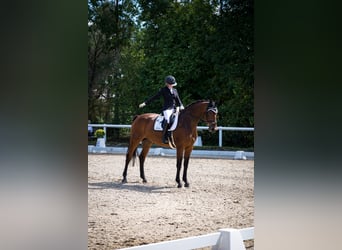
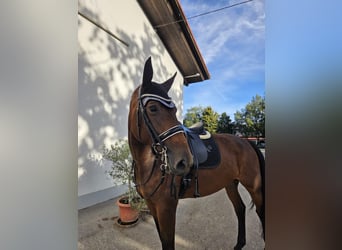
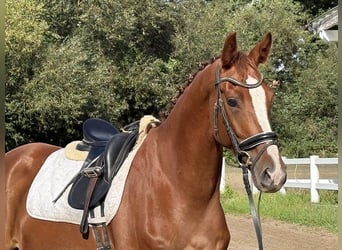
Assateague and Chincoteague are two long islands that lie off the coasts of Maryland and Virginia in the USA. Living on the island of Assateague are two feral herds of ponies, one managed by authorities in Maryland, the other by a Virginia organisation, the Chincoteague Volunteer Fire Company. As well as the feral herds, there are breeders on the mainland who will sell an Assateague Pony. For many Americans, these hardy, attractive ponies have historic and cultural significance. They achieved worldwide fame through a series of books by the author Marguerite Henry. As they are intelligent and sturdy animals, many people now buy an Assateague Pony for harness work and trail riding.
Use and characteristics of the Assateague Pony
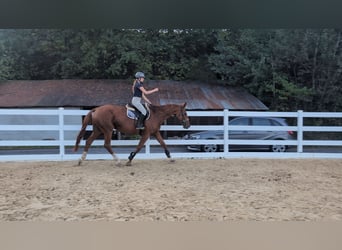
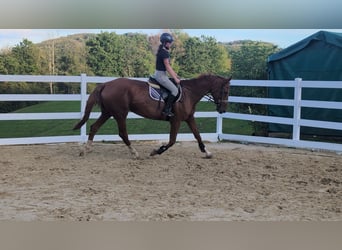
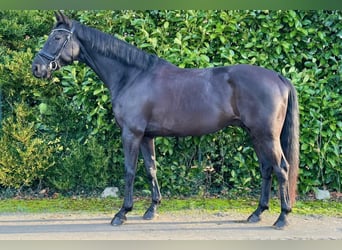
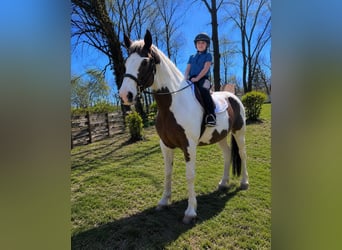
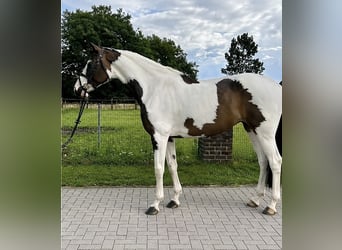
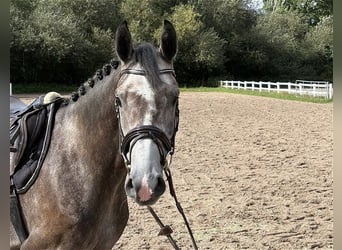
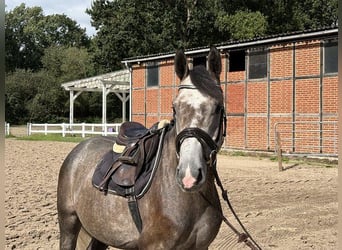
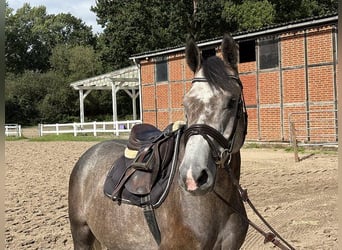
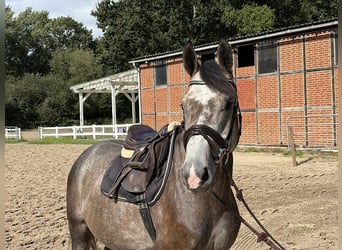
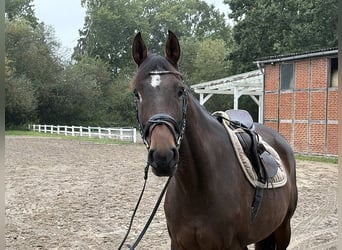
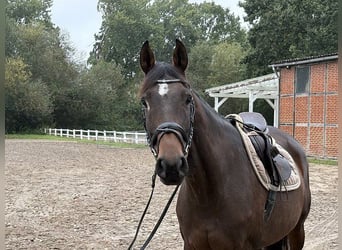
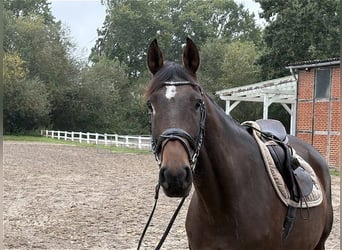
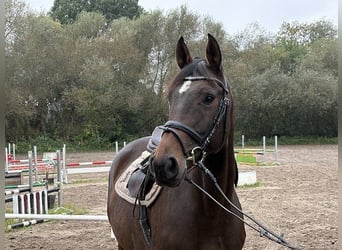
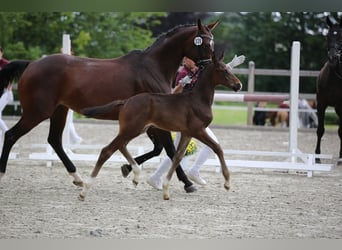
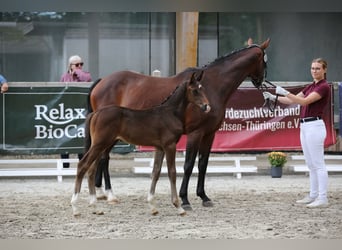
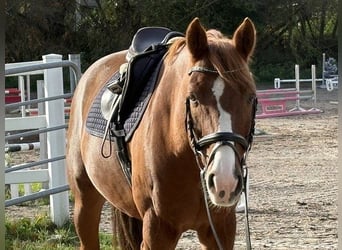
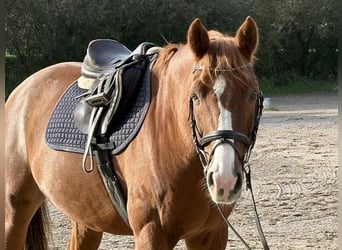
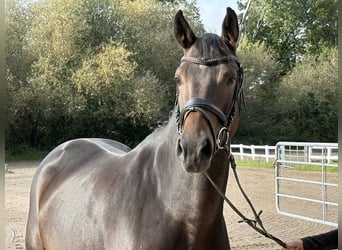
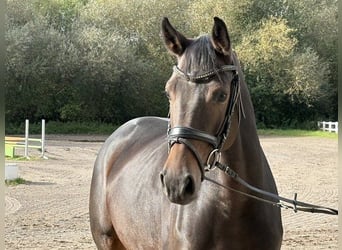
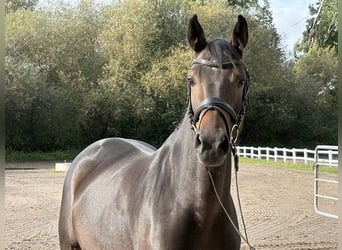
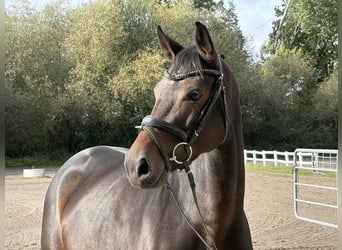
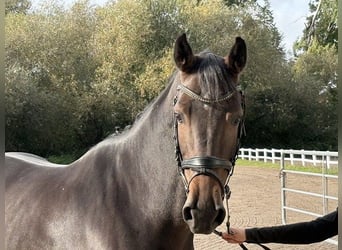
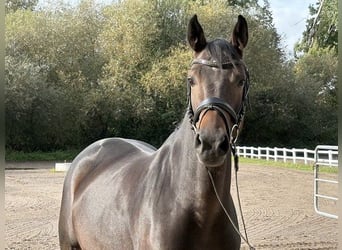
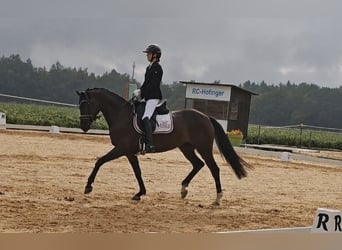
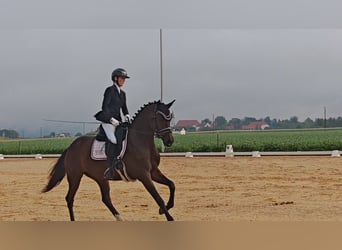
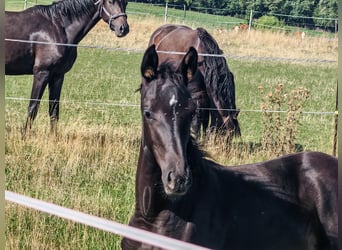
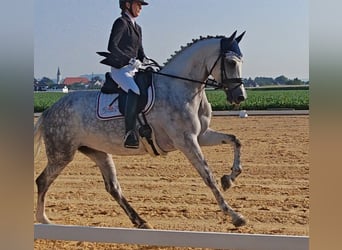
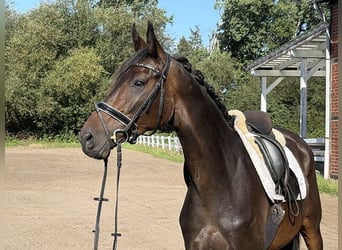
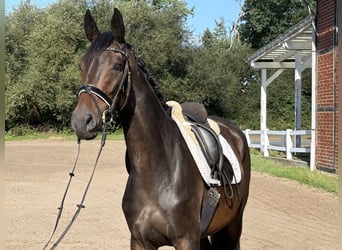
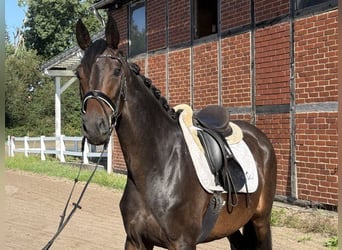
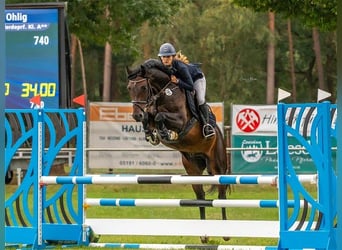
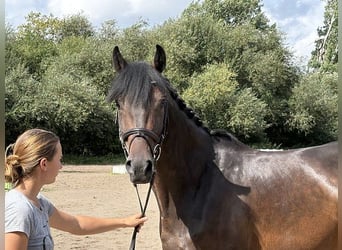
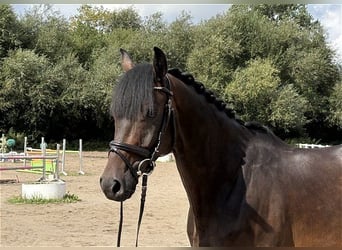
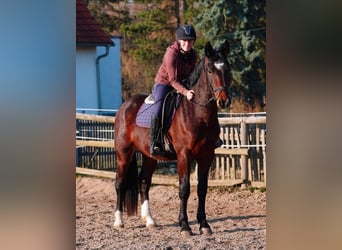
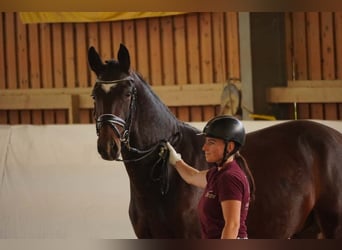
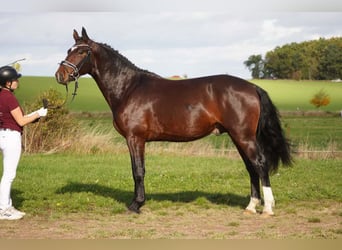
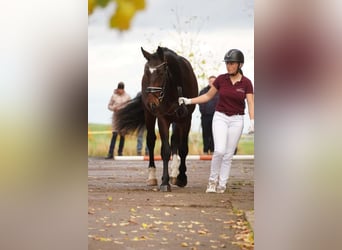
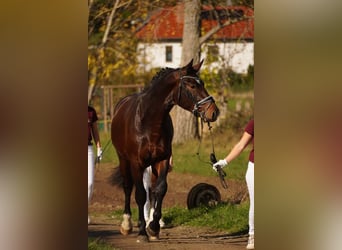
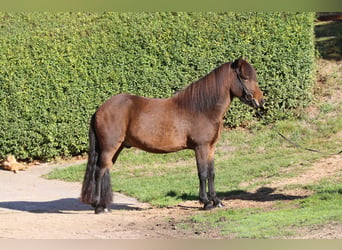
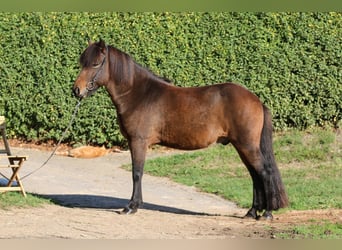
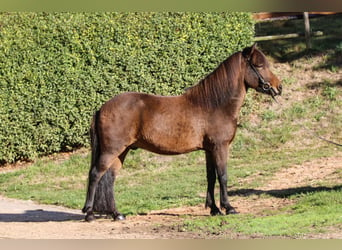
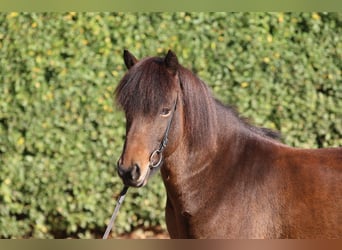
The Assateague Pony is also known as the Assateague horse, as its phenotype is more horse-like than pony-like. Those managed by the Chincoteague Volunteer Fire Company are also known as Chincoteague ponies, although they live on Assateague. Standing on average 13.2 hands (54 inches/137 cm) high, the ponies weigh approximately 850 pounds (390 kg). All coat colours occur and the ponies with pinto patterning are especially popular at the auctions where many people buy an Assateague Pony. The ponies are hardy and very easy to keep. Breeders who sell an Assateague Pony speak highly of their stamina and good nature.
Origin and breeding history of Assateague Ponies
Today the two herds are separated by a fence along the state line between Maryland and Virginia. Each herd is managed entirely separately, one by The National Park Service and Fish & Wildlife Service of Maryland, the other by the Chincoteague Volunteer Fire Company. Some of the origin stories relating to the ponies on Assateague are filled with romance and drama. For a long time, it was thought they were the descendants of horses that had swum ashore from a Spanish shipwreck. Another tale suggests pirates abandoned their ancestors on the island! However, the likely truth is just as interesting. There was no documented evidence of ponies on these islands until after 1667, when legislation on the mainland regarding the fencing and penning of livestock resulted in farmers removing some of their stock, including horses, to the islands. Left to fend for themselves on the sparse plants of the marshy island of Assateague, the ponies grew very hardy. Interestingly, each of the two managing authorities favours different origin stories for the ponies, with the Chincoteague organisation preferring the Spanish wreck theory. Their belief has received some support with the discovery of wrecks in the waters around the islands. The involvement of the Chincoteague Volunteer Fire Company is also an interesting one. In the nineteenth century, penning the ponies for sales was an established event. After two disastrous fires on Chincoteague in the early 1920s, the Chincoteague Volunteer Fire Company was set up and in 1924, an official Pony Penning Day was organised to auction foals to raise money for the company. This continues to this day, with a famous pony swim from Assateague to Chincoteague. On the Maryland side, the herd is managed entirely differently, with the ponies being treated as other wildlife, though contraceptives are used to control numbers. In the past, mustangs and Arabians have been introduced into the herds.
Assateague Ponies in Equestrianism
The charismatic Assateague Ponies gained global interest through Marguerite Henry’s novels, beginning with “Misty of Chincoteague” in 1947. The ponies are admired for their stamina, particularly one that carried a rider and equipment for 1,000 miles (1,600 km) over 34 days in the nineteenth century.