"
Chestnut horses are known for their stunning chestnut-colored coats, which can range from light reddish-brown to dark liver-colored hues. This coat color is one of the most common in horses and can be found in many breeds, including Thoroughbreds, Arabians, and Quarter Horses. However, chestnut horses have their own unique charm and qualities that set them apart from other breeds. In this category text, we will explore the interior and exterior of chestnut horses, as well as their history.
The Character of Chestnut Horses
Chestnut horses are known for their fiery and independent personalities. They are often described as bold, energetic, and sometimes stubborn, but also intelligent and curious. This combination of traits can make them excellent competition horses, as they have the drive and determination to succeed. However, it also means that they require experienced handlers who can handle their strong-willed nature. Chestnut horses are loyal to their owners and can form strong bonds with them, but they also have a sense of independence and may not always seek human attention. They are often very social animals and enjoy the company of other horses.
The Appearance of Chestnut Horses
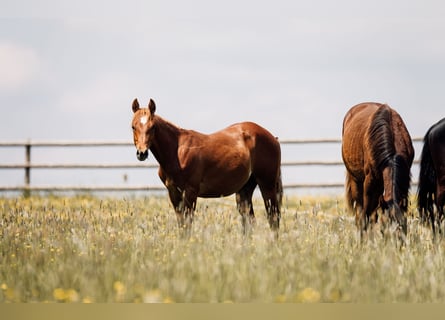
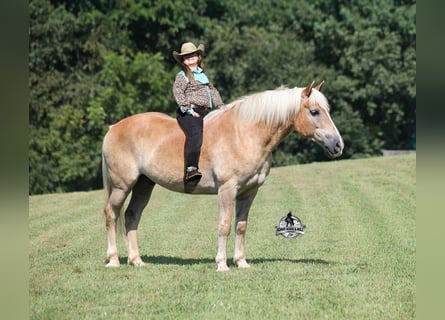
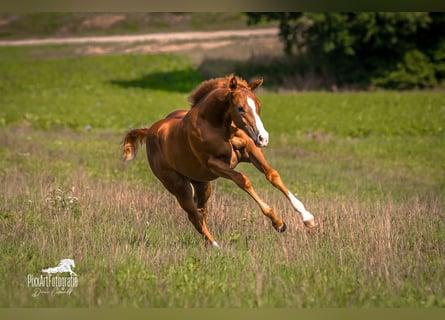
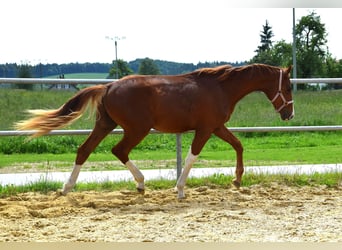
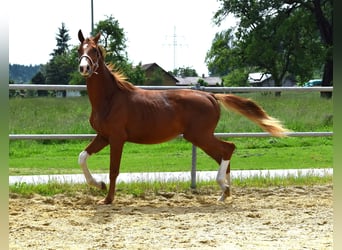
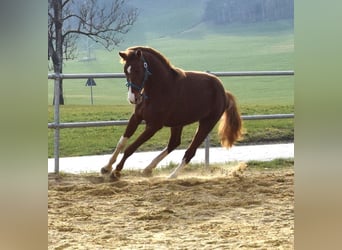
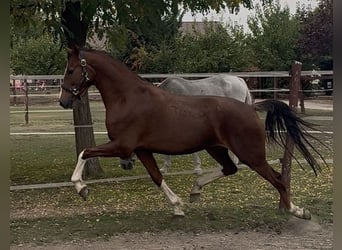
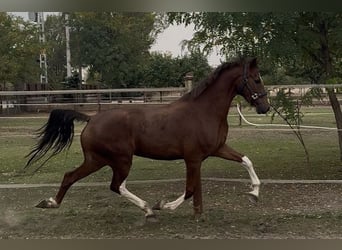
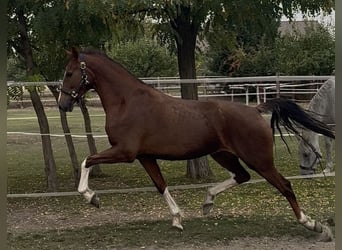
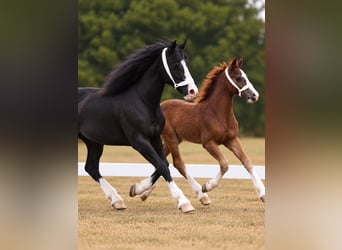
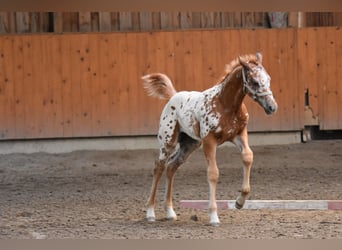
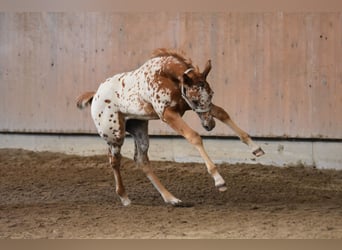
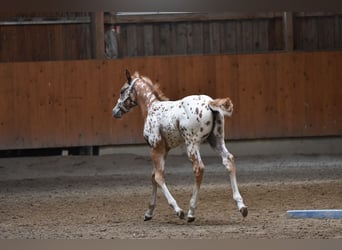
Chestnut horses have a distinct appearance, with their rich, warm coat colors and often flaxen or white manes and tails. Their coats can range from light to dark shades of chestnut, and some horses may have additional markings, such as white socks or a blaze on their face. Chestnut horses have a medium build, with muscular legs and a strong, athletic physique. Their height can vary depending on the breed, but they are generally between 14 and 16 hands tall. Chestnut horses are known for their beauty and striking appearance, and they often catch the eye of spectators at competitions and shows.
The History of Chestnut Horses
The chestnut horse has been around for centuries and can be found in many different cultures and regions. In Europe, chestnut horses were often used as war horses and were highly valued for their strength and endurance. In the United States, chestnut horses played a significant role in the development of the Thoroughbred breed, which is now one of the most popular breeds in horse racing. Chestnut horses have also been used in other disciplines, such as dressage, show jumping, and eventing. Today, chestnut horses continue to be popular among horse enthusiasts and are admired for their beauty, athleticism, and independent spirit.
"
"
Chestnut horses are known for their stunning chestnut-colored coats, which can range from light reddish-brown to dark liver-colored hues. This coat color is one of the most common in horses and can be found in many breeds, including Thoroughbreds, Arabians, and Quarter Horses. However, chestnut horses have their own unique charm and qualities that set them apart from other breeds. In this category text, we will explore the interior and exterior of chestnut horses, as well as their history.
The Character of Chestnut Horses
Chestnut horses are known for their fiery and independent personalities. They are often described as bold, energetic, and sometimes stubborn, but also intelligent and curious. This combination of traits can make them excellent competition horses, as they have the drive and determination to succeed. However, it also means that they require experienced handlers who can handle their strong-willed nature. Chestnut horses are loyal to their owners and can form strong bonds with them, but they also have a sense of independence and may not always seek human attention. They are often very social animals and enjoy the company of other horses.
The Appearance of Chestnut Horses
Chestnut horses have a distinct appearance, with their rich, warm coat colors and often flaxen or white manes and tails. Their coats can range from light to dark shades of chestnut, and some horses may have additional markings, such as white socks or a blaze on their face. Chestnut horses have a medium build, with muscular legs and a strong, athletic physique. Their height can vary depending on the breed, but they are generally between 14 and 16 hands tall. Chestnut horses are known for their beauty and striking appearance, and they often catch the eye of spectators at competitions and shows.
The History of Chestnut Horses
The chestnut horse has been around for centuries and can be found in many different cultures and regions. In Europe, chestnut horses were often used as war horses and were highly valued for their strength and endurance. In the United States, chestnut horses played a significant role in the development of the Thoroughbred breed, which is now one of the most popular breeds in horse racing. Chestnut horses have also been used in other disciplines, such as dressage, show jumping, and eventing. Today, chestnut horses continue to be popular among horse enthusiasts and are admired for their beauty, athleticism, and independent spirit.
"