c

Sorraia - horses for sale

The Sorraia horse takes its name from the Sorraia River in Portugal, which has two tributaries, the Sor and the Raia. These fascinating small horses have probably been living wild on the plains between these tributaries for hundreds of years, but scientific investigation into them only began in the twentieth century. While the future of the breed is likely to be mostly in conservation projects - and that is the main reason organisations exchange or sell a Sorraia today - in the past, people used them for farm work and herding bulls. Traditionally farmers would not buy a Sorraia, but simply take them from the wild to do some work and then release them if they were no longer needed.

Read more b
0 results
0 results
Filter
Remove all filters
s Didn't find anything? Start a search request now!
Save your search as a search request and we send you an email as soon as we find something for you.
Save this search

Similar search queries

Platinum
videocam

US

Corona, CA
$6.999
~ £5.716 Negotiable
New
Platinum
Warlander Mix, Stallion, 8 years, 15 hh Stallion Warlander For Sale | Ready to Ride
Trail - Doma Vaquera - Versatility Ranch Horse - Working Equitation

US

Corona, CA
$14.999
~ £12.250 Negotiable
New
Platinum

HU

Békéscsaba
€4.400
~ £3.827 Negotiable
New
Platinum
Zangersheider, Stallion, 4 years, 17 hh, Bay-Dark
F: Tiger van T Ruythershof
Jumping

HU

Gyula
€15.000
~ £13.048 Negotiable
New
Insert now - easy, fast & successful!
Find the right interested parties for your ad on ehorses, the largest marketplace for the equestrian world. Start now in just a few minutes!
Now place an advertisement.
American Quarter Horse, Mare, 1 year, 15,3 hh, Brown
F: AM Hot Chester | MF: Nuntius
English Pleasure - Versatility Ranch Horse - Hunter - Leisure

DE

Langenau
€7.500
~ £6.524 Negotiable
New
Platinum
videocam

DE

Güglingen
Price on request
New

PL

Grzmiąca, Masovian voivodeship
€36.000
~ £31.315
New
Platinum
videocam

US

Waco
bid on auction
New
Platinum
videocam

US

Clarion
bid on auction
New
Platinum
videocam

US

Caldwell
bid on auction
New
Platinum

US

Mount Vernon
bid on auction
New
Platinum
American Quarter Horse, Mare, 10 years, 15 hh, Bay Alli 10 Yr old 15hh Bay AQHA Mare
Versatility Ranch Horse - Trail - Show - Western Riding

US

Canyon
bid on auction
New
Platinum

US

Ocala
bid on auction
New
Platinum

US

Waco
bid on auction
New
Platinum
videocam

US

Cave Creek
bid on auction
New
Platinum

US

Canyon
bid on auction
New
Platinum
videocam

US

Quitman
bid on auction
New
Platinum
videocam
American Quarter Horse, Mare, 4 years, 15 hh, Bay Doja 4 Yr old 15hh Bay AQHA & APHA Mare
Reining - Versatility Ranch Horse - Show - Western Riding

US

Whitesboro
bid on auction
New
Platinum
videocam
New
Platinum
videocam

US

Holland
bid on auction
New
Q Remove all filters
H

Use and characteristics of the Sorraia

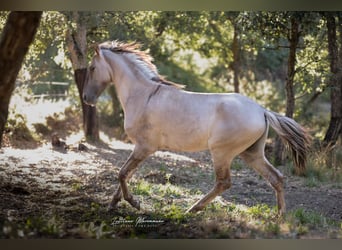
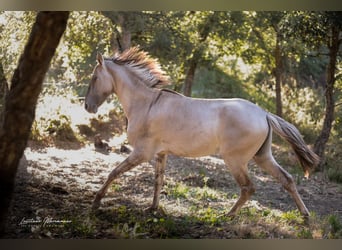
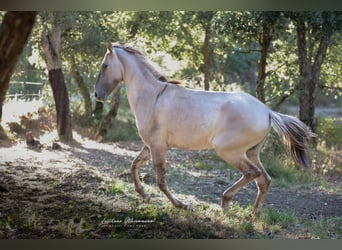
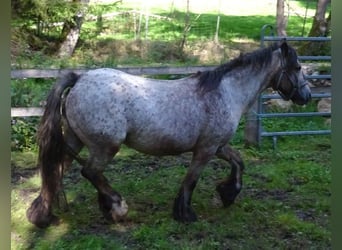
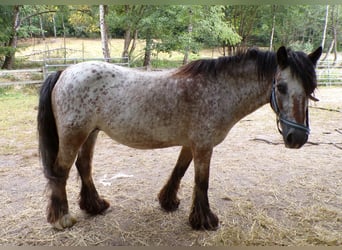
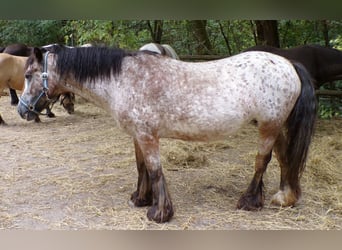
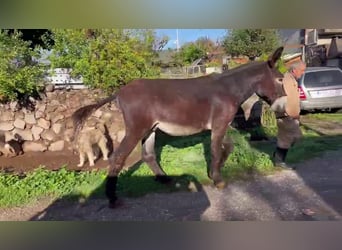
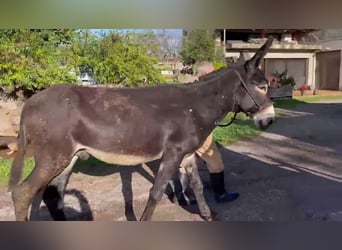
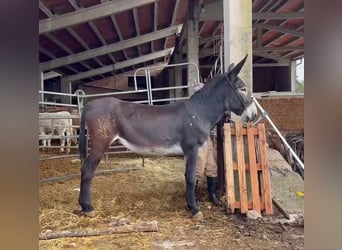
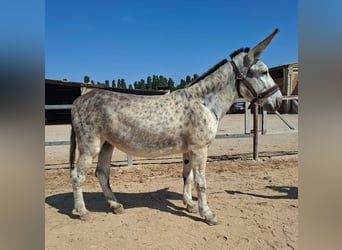
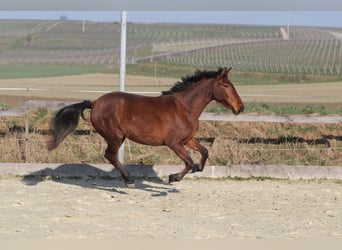
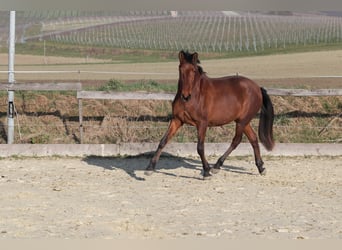
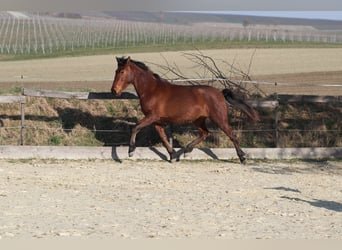
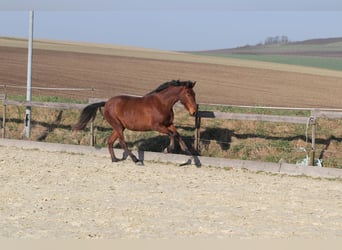
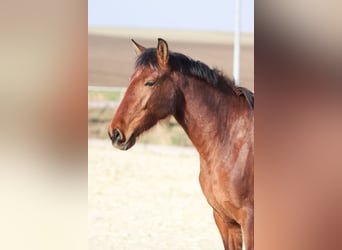
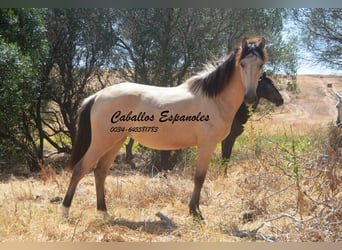
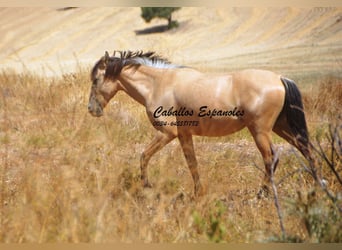
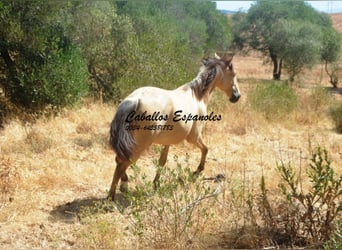
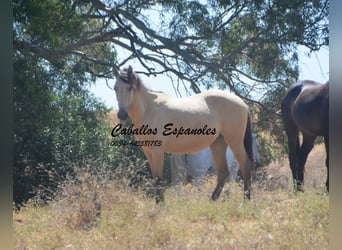
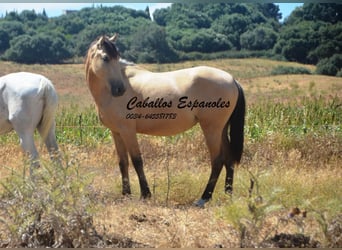
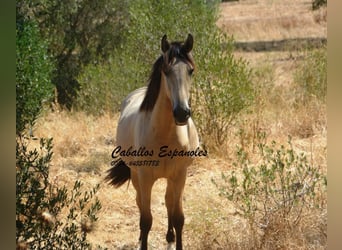
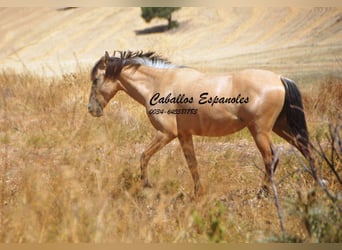
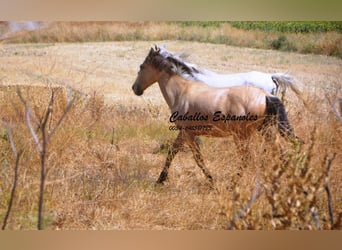
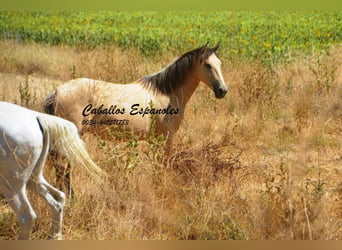
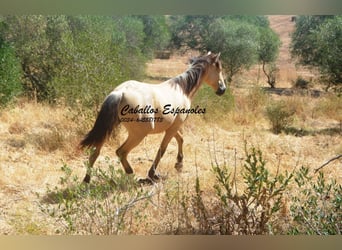
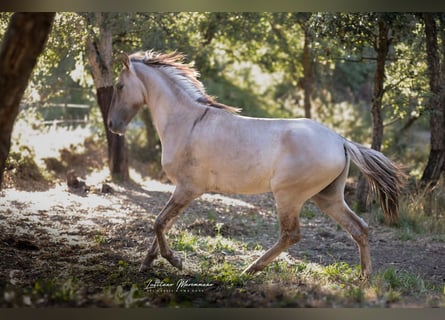
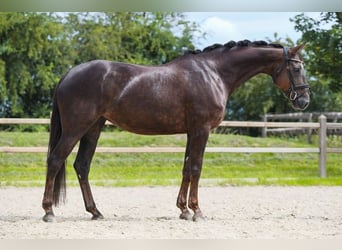
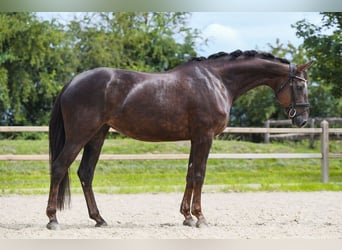
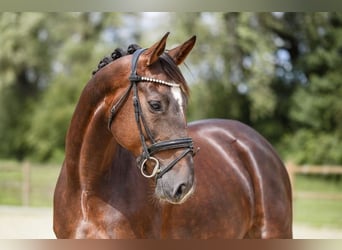
Standing between 12.3 hands (51 inches, 130 cm) and 14.3 hands (59 inches/150 cm) high, the Sorraia horse is a distinctive type with some unique characteristics. The Sorraia has a characterful head with a convex profile and long ears. Their bodies are very slender but their bones are strong, and they are very robust animals, surviving and thriving on sparse vegetation. Their hardiness makes it a very practical option to buy a Sorraia. While they are still very rare, the recent export of some individuals to North America means more breeders may be available to sell a Sorraia. Coat colours are generally varieties of dun or grullo. Many members of the breed exhibit striped markings on their back and legs.

Origin and history of breeding Sorraia Horses

There has been a great deal of speculation about the ancestry of the Sorraia horses. Locals in the region had been aware of them for centuries, but they were not investigated scientifically until zoologist Dr Ruy d'Andrade began to study them in the 1920s. The remote marshy area they lived in had mainly been used as a hunting reserve for Portuguese kings. Like other European semi-feral breeds such as the Skyros and Exmoor ponies, they were occasionally herded and used for agricultural activities and then released again. Most theories regarding the origin of the Sorraia suggest that they may represent the survival of an ancient type of horse, possibly being relatives of the extinct Tarpan. Recent DNA work indicates that they do represent a separate group from other similar Iberian small semi-feral breeds. However, they share a maternal lineage with the Portuguese Lusitano, as well as with some American Mustangs, since horses of Sorraia type were taken to North America at an early stage in the European settlement of the continent. There’s now a project devoted to studying and preserving the American Sorraia Mustang in the USA. The survival of the Sorraia in Portugal is mainly due to the efforts of Ruy d’Andrade, who set up a breeding herd in 1937. More people joined the conservation work later in the twentieth century and a sub-population now exists in Germany. A sanctuary was created for them in the Vale de Zebro in Portugal. In fact, Sorraia horses are the original zebras! They were called “zebro” and “zebra” in Portuguese, which may ultimately derive from the Latin “equiferus”, meaning wild horse or ass.
Sorraia Horses in equestrianism

Sadly, Sorraia Horses are critically at risk. Their studbook was set up as recently as 2004. With interest now in the USA and Canada, as well as Germany and in their homeland, there is hope for the future. Being relatively tall and long-legged, there is no reason the Sorraia horses cannot participate in many equestrian activities.

Save this search