Sie sind auf der Suche nach einen widerstandsfähigen, kräftigen und robusten Vierbeiner mit gutem Sozialverhalten?

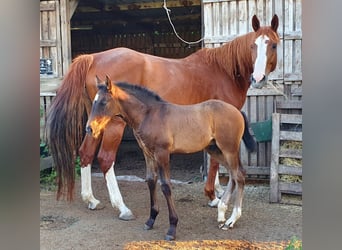
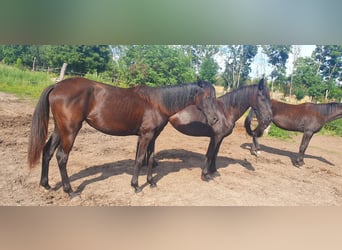
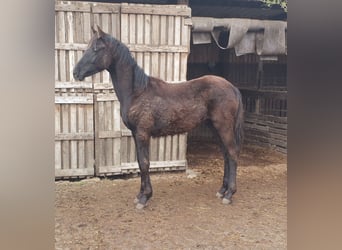
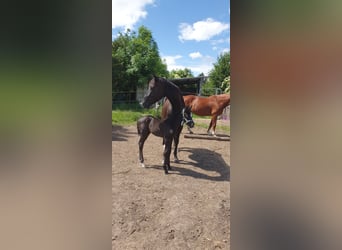
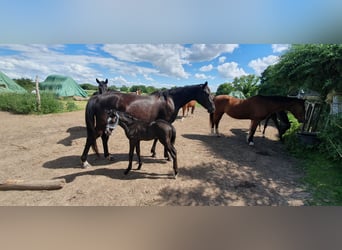
Als mittelständischer landwirtschaftlicher Betrieb züchten wir seit über 15 Jahren ein robustes sportliches Warmblut. Wir belegen unsere Stuten ausschließlich im Natursprung, meist ab Ende Mai und verzichten auf Interventionen wie Hormonbehandlung und Ultraschalluntersuchungen. Unsere Hengste decken die Stuten an der Hand die komplette Rosse über. Die Fohlen werden somit in der grünen Saison geboren und leben in den ersten 4 Wochen mit Ihren Müttern allein auf einer Weide um die Bindung zu festigen. Nachts stehen sie im Offenstall mit Paddock. Erst wenn die Fohlen etwas stabiler sind, dürfen sie mit in die große altersgemischte Stutenherde zu Oma und Tanten. Im Alter von 7 bis 8 Monate beginnen wir mit dem schonenden Absetzen der Fohlen, je nachdem wie es die Psyche zulässt. Die Fohlen werden zu Beginn erst nur für wenige Stunden von den Müttern getrennt, dann über Nacht separiert und gehen tagsüber wieder in die Herde. Diese Prozedur ist sowohl für das Fohlen als auch für die Mutterstute angenehmer und kann bis zu drei Wochen in Anspruch nehmen. Die männlichen Absetzer kommen dann auf eine separate Weide zu Ihren älteren Geschwistern um diese erst einmal durch den Zaun kennenzulernen. Erst wenn dort alles entspannt ist und die älteren Hengste keinerlei negative Signale aussenden, werden die Jüngsten integriert. Für die nächsten drei bis vier Jahre wachsen die Junghengste nun in der Herde auf und werden mit Heu, Stroh, Mineralien und Kraftfutter versorgt. Sie wechseln zweimal jährlich den Standort und haben 24/7 Weide mit Zugang zu einem Stallzelt.
Desweiteren kennen die Hengste Zugverkehr sowie Schafe und Ziegen.
Unsere Pferde haben ein starkes Immunsystem und konnten durch verschiedene Bodenverhältnisse starke Sehnen und Bänder entwickeln. Sie haben gelernt sich auch bei ungünstigen Bodenverhältnissen dementsprechend fortzubewegen.
Natürlich können wir nicht dafür garantieren das unsere Pferde nie krank werden, jedoch haben wir durch diese Art der Aufzucht ein widerstandsfähiges Lebewesen gezüchtet welches weiß, wie es sich bei starker Sonneneinstrahlung, Niederschlag in allen Aggregatzuständen und Wind verhalten muss.

Wir freuen uns über jeden freundlichen Kontakt, der sich vernünftig vorstellt und eine ordentliche Konversation mit uns führt. Wenn alles passt ist der Preis verhandelbar und auch als Ratenzahlung möglich...

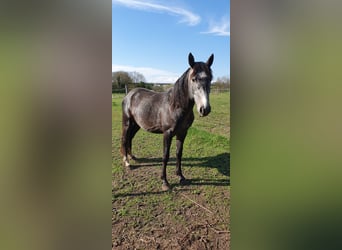
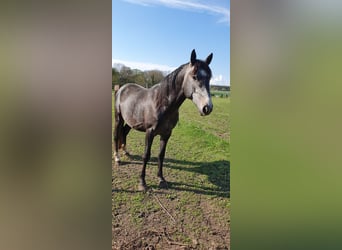
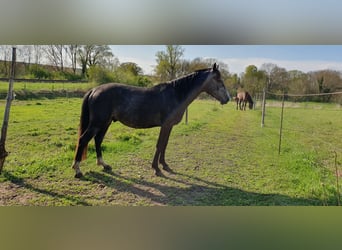
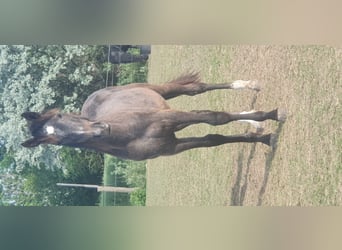
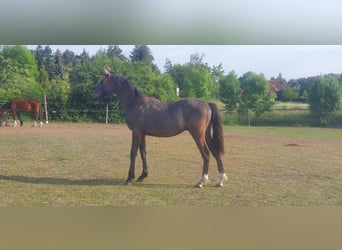
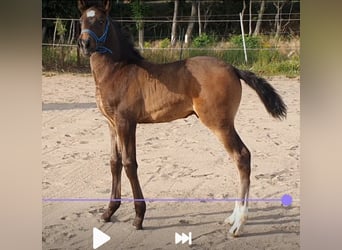
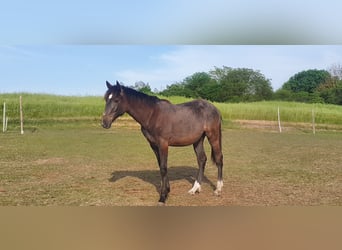
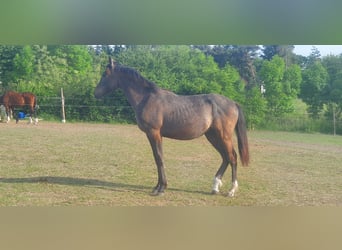
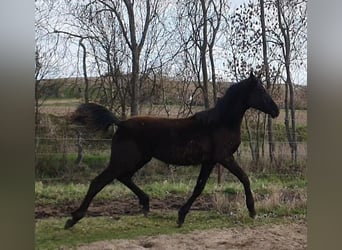
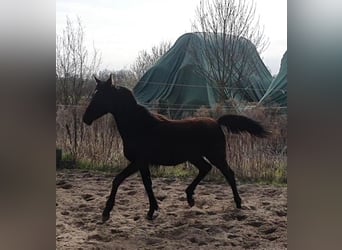
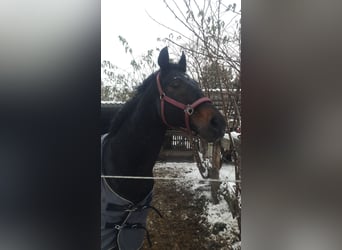
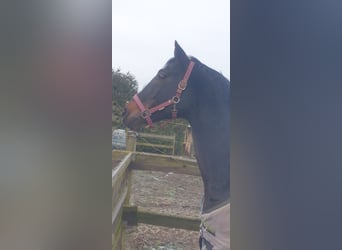
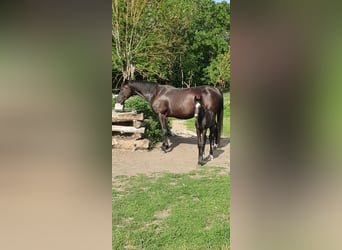
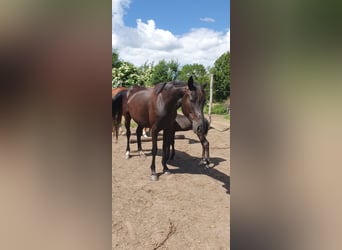
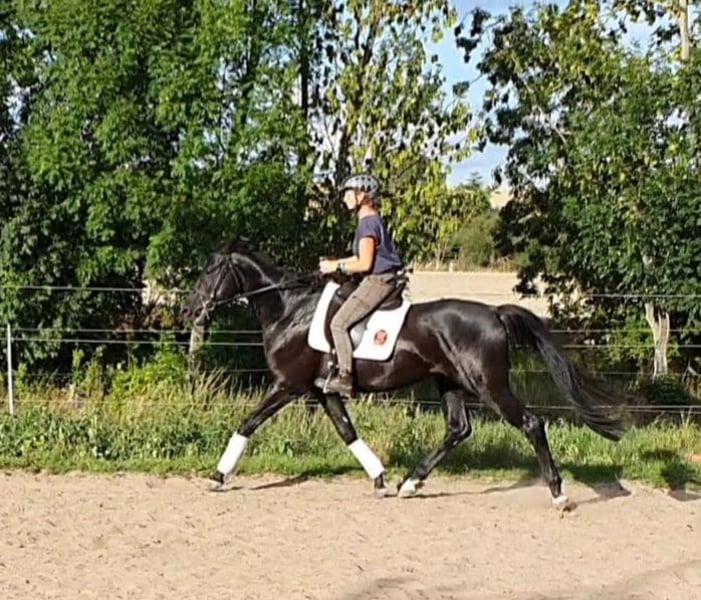
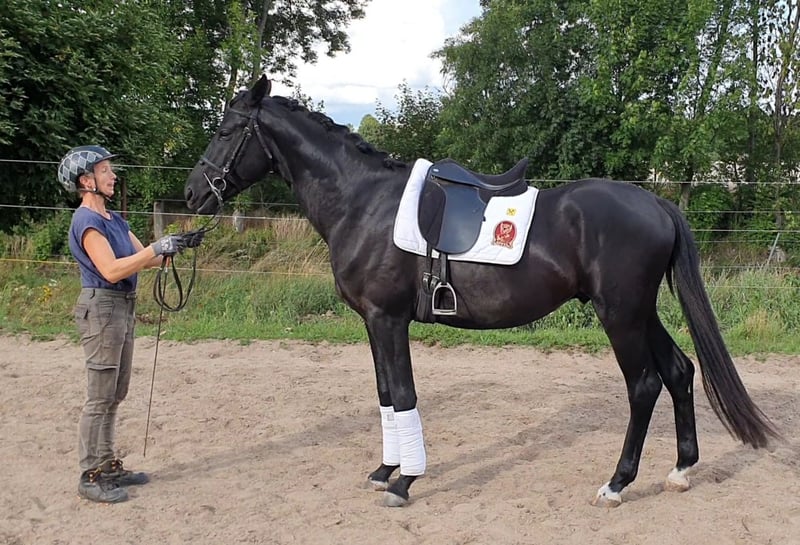
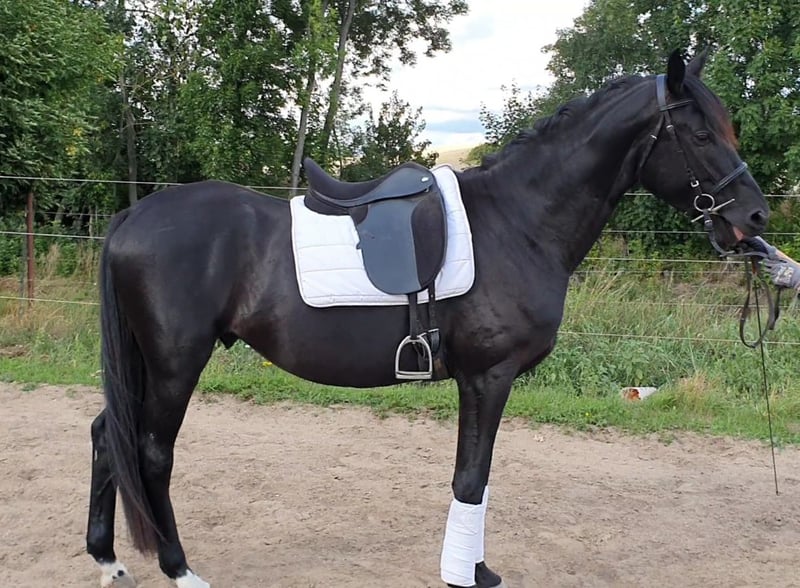
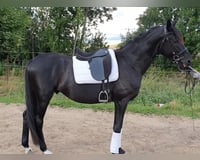
Wir bieten hier einen solide aufgezogenen Hengst welcher seit dem 23.09. ein Wallach ist, der einfach seine Zeit zum groß werden gebraucht hat.... er hat keine negativen Erfahrungen gemacht und hat die letzten Jahre einfach nur auf verschiedene Weiden die nicht zusammenhängend waren gelebt...

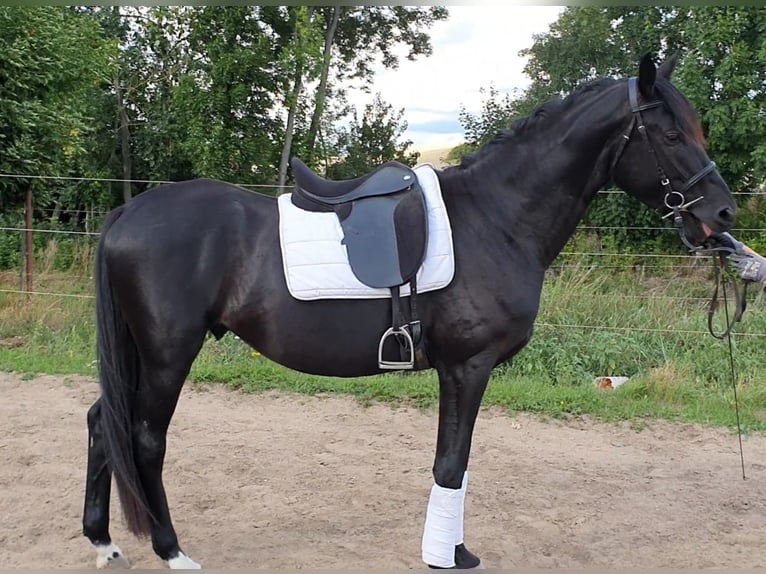
Hannoveraner Hengst aus 2020 mit Pass und Abstammungsurkunde. Laurent x Matcho's As

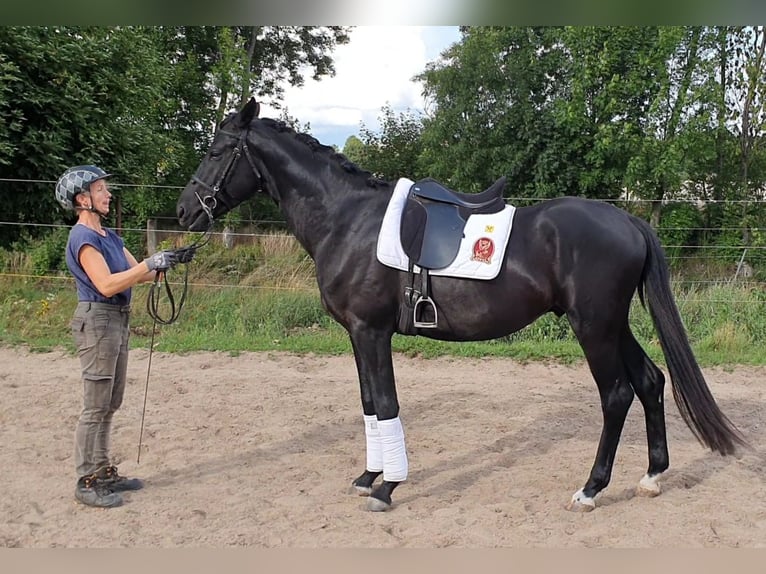
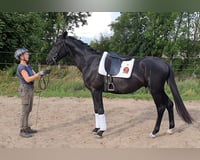
Derzeitiges Stockmaß 1,68m.
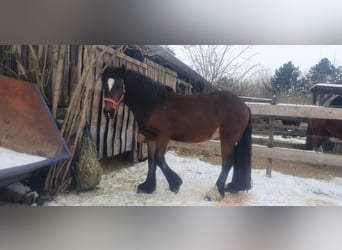
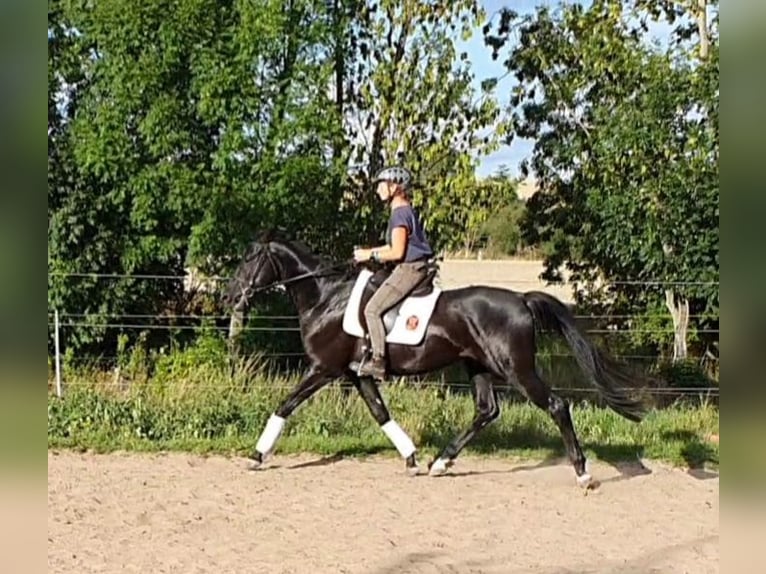
Wird derzeit schonend angeritten und ist Offenstallhaltung gewohnt. Er kennt Stromzaun, Tranktoren, Hühner, Hunde, Zugverkehr und Bahnübergänge.

derz. Ausbildungsstand zum 03.08.2025
(mit dem Anreiten bzw. Ausbildung an der Longe und Gewöhnung an Sattel und Trense wurde erst im April 2025 begonnen)
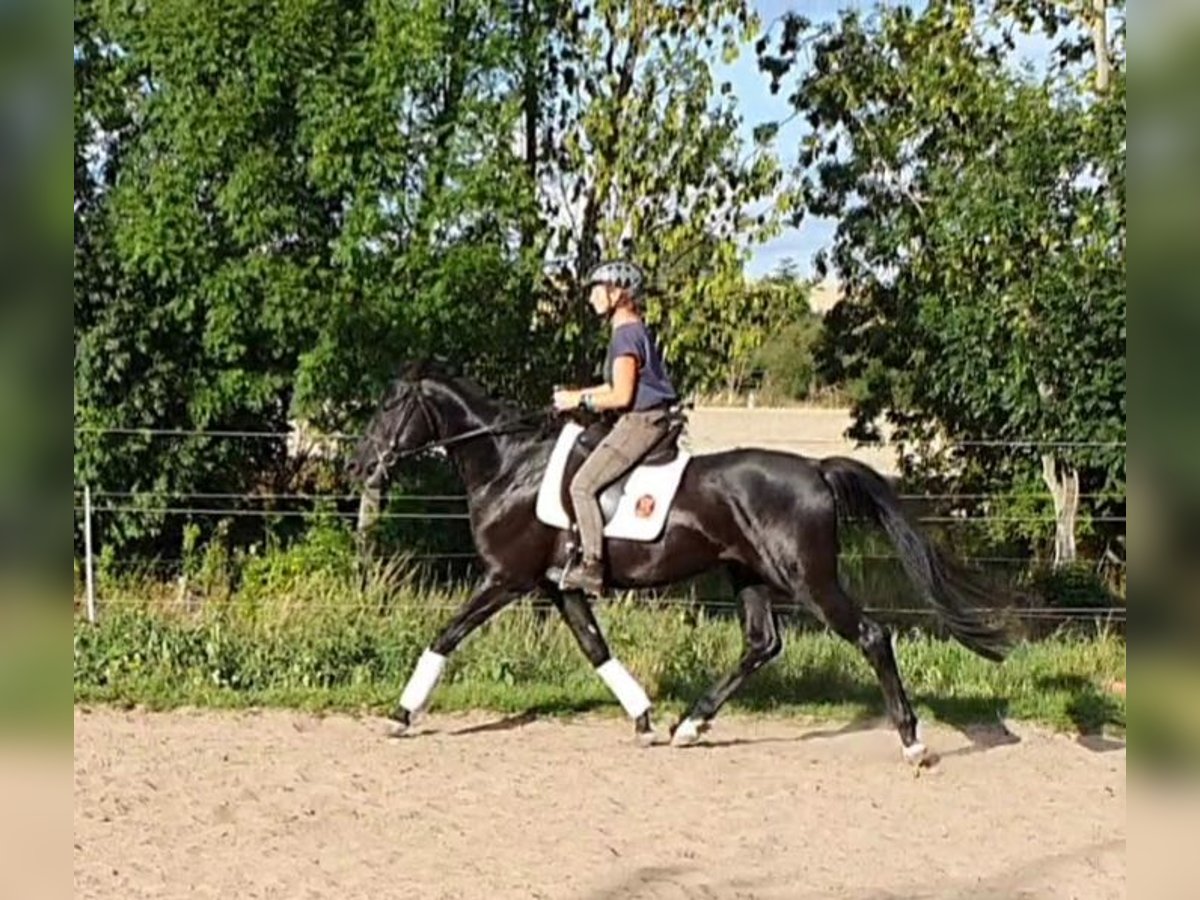
- longiert am Knotenhalfter, mit Trense und Sattel in allen Grundgangarten
- longiert über Sprünge
- entspanntes Aufsteigen
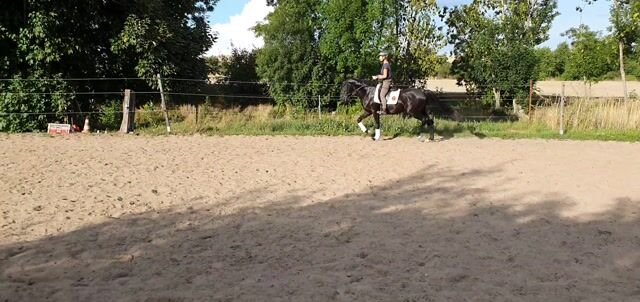
- Freies Reiten auf dem Reitplatz im Schritt und Trab
- Verladetraining begonnen, er steigt brav ein und verhält sich äußerst ruhig
- steht auch allein auf der Weide

Wenn Sie sich fragen, warum wir so spät anreiten...
Ganz einfach, wir wünschen uns ein Pferd welches körperlich und auch seelisch so ausgereift ist, das es keinen Schäden durch den Anreitprozess davon trägt. Nur durch das Vertrauen des Pferdes zum Reiter wird das Anreiten zu einem spielerischen Lernen und das Pferd bleibt gelassen und Neugierig auf das was folgt.

Der Hengst wurde robust 24/7 auf der Weide mit Artgenossen aufgezogen und hatte in den vergangenen Jahren keine Gesundheitlichen Schwierigkeiten.

Weitere Informationen und Videos werden bei ernsthaften Interesse versendet.
This text has been translated automatically.
Are you looking for a resilient, strong, and robust four-legged companion with good social behavior?

As a medium-sized agricultural operation, we have been breeding a hardy, athletic warmblood for over 15 years. We breed our mares exclusively via natural cover, mostly from late May onwards, and avoid interventions such as hormone treatments and ultrasound examinations. Our stallions cover the mares on the hand throughout the entire estrous cycle. The foals are born during the green season and spend their first four weeks alone with their mothers on pasture to strengthen their bond. At night, they are kept in an open stable with a paddock. Once the foals are a bit more stable, they are gradually introduced to the larger, age-mixed mare herd with grandma and aunts. At around 7 to 8 months old, we begin gentle weaning, depending on the foal’s psychological readiness. Initially, the foals are separated from their mothers for only a few hours, then overnight, and rejoin the herd during the day. This process is more comfortable for both foal and mare and can take up to three weeks. The male weanlings are then introduced to a separate pasture alongside their older siblings to get to know each other through the fence. Only when everything is relaxed and the older stallions show no negative signals are the younger horses integrated. Over the next three to four years, the young stallions grow up in the herd, fed with hay, straw, minerals, and concentrate. They move twice a year to different locations and have 24/7 pasture access, including a stall tent.

Furthermore, the stallions are familiar with traffic, sheep, and goats. Our horses have a strong immune system and have developed resilient tendons and ligaments through various ground conditions. They have learned to move appropriately even on challenging terrain. Of course, we cannot guarantee that our horses will never become ill, but through this breeding and upbringing method, we have raised resilient animals that know how to behave in strong sunlight, rain in all states of matter, and wind.

We welcome any friendly contact from serious inquiries who communicate respectfully and engage in proper conversation. If everything fits, the price is negotiable, and installment payments are also possible.

Here we offer a well-bred stallion, who has been a gelding since September 23rd, and simply needed time to grow… He has had no negative experiences and has spent the past years living on various non-connected pastures.

Hannoverian stallion born in 2020, with passport and pedigree certificate. Laurent x Matcho’s As.

Current height: 1.68 m.
He is already being gently backed and is accustomed to open stable management. He knows electric fences, water troughs, chickens, dogs, traffic, and level crossings.

Current training status as of August 3, 2025:
(Starting with lunging at the halter, and familiarization with saddle and bridle only began in April 2025)
- Lunged in a loose ring with a halter, bridle, and saddle in all basic gaits
- Lunged over jumps
- Calm mounting
- Free riding in the riding arena in walk and trot
- Started loading training; he loads willingly and behaves very calmly
- Also stands quietly alone in the pasture

If you wonder why we started riding so late…
It’s simple: we want a horse that is physically and mentally mature enough so that it does not suffer any damage from the riding process. Only through the horse’s trust in the rider does riding become a playful learning experience, keeping the horse calm and curious about what’s to come.

The stallion was raised robustly 24/7 on pasture with peers and has had no health issues in recent years.

Further information and videos will be provided upon serious interest.
This text has been translated automatically.
Sei alla ricerca di un cavallo resistente, forte e robusto, con un ottimo temperamento sociale?

Come azienda agricola di medie dimensioni, alleviamo da oltre 15 anni un Warmblood sportivo e resistente. Le nostre fattrici vengono inseminate esclusivamente in natura, di solito a partire dalla fine di maggio, evitando interventi come trattamenti ormonali e controlli ecografici. I nostri stalloni coprono le fattrici a mano durante tutto il periodo di estro. I puledri nascono così durante la stagione verde e trascorrono le prime 4 settimane con le loro madri, in un pascolo isolato, per rafforzare il legame. Di notte sono tenuti in box all’aperto con paddock. Solo quando i puledri sono più stabili, vengono integrati nel branco di fattrici più anziane con nonne e zie. A circa 7-8 mesi iniziamo con il delicato svezzamento, a seconda della maturità psicologica del puledro. All’inizio, i puledri vengono separati dalle madri per poche ore, poi per una notte e infine tornano a far parte del branco di giorno. Questa procedura è più confortevole sia per il puledro che per la madre e può durare fino a tre settimane. I maschi svezzati vengono poi trasferiti in un pascolo separato, dove incontrano i loro fratelli più grandi, attraverso la staccionata, per familiarizzare con loro. Solo quando tutto è tranquillo e i stalloni più anziani non mostrano segnali negativi, i più giovani vengono integrati. Nei successivi tre-quattro anni, i giovani stalloni crescono nel branco, alimentati con fieno, paglia, minerali e concentrati. Cambiano pascolo due volte all’anno e hanno accesso 24/7 a un paddock con rifugio.

Inoltre, gli stalloni sono abituati al traffico veicolare, così come a pecore e capre. I nostri cavalli possiedono un sistema immunitario forte e, grazie a diverse condizioni di terreno, hanno sviluppato tendini e legamenti robusti. Sono stati educati a muoversi adeguatamente anche su terreni difficili. Naturalmente, non possiamo garantire che i nostri cavalli non si ammalino mai, ma grazie a questa metodologia di allevamento, abbiamo selezionato esemplari resistenti, consapevoli di come comportarsi sotto forte sole, pioggia in tutte le sue forme e vento.

Siamo lieti di ricevere ogni contatto cordiale, che si presenti in modo serio e con una conversazione rispettosa. Se tutto si allinea, il prezzo è trattabile e anche la possibilità di pagamento rateale.

Offriamo qui un stallone ben allevato, che dal 23.09. è diventato castrone, dopo aver semplicemente avuto il tempo di crescere… non ha subito esperienze negative e negli ultimi anni ha vissuto in vari pascoli isolati tra loro.

Stallone Hannoveriano del 2020, con passaporto e pedigree. Laurent x Matcho’s As.

Attualmente misura circa 1,68 m. ed è già iniziato dolcemente al lavoro in dressage, abituato alla vita in paddock all’aperto. Conosce recinzioni elettriche, portoni, galline, cani, traffico veicolare e passaggi a livello.

Stato attuale di addestramento al 03.08.2025:
(la messa in sella e l’addestramento alla longe, così come l’abituazione a sella e briglia, sono iniziati solo ad aprile 2025)
- Lavoro alla longe con capezza a nodi, con briglia e sella in tutte le andature di base
- Lavoro sui salti
- Monta con calma
- Cavalcato liberamente in arena, passo e trotto
- Iniziato il training al carico, entra con calma e si comporta molto tranquillamente
- Anche da solo, sul pascolo

Se vi chiedete perché abbiamo iniziato così tardi con il lavoro sotto la sella…
È semplice: desideriamo un cavallo che sia fisicamente e mentalmente maturo, in modo da non riportare danni dal processo di messa in sella. Solo con la fiducia del cavallo nel cavaliere, il lavoro diventa un apprendimento giocoso e il cavallo rimane calmo e curioso riguardo a ciò che seguirà.

L stallone è stato allevato robustamente 24/7 in pascolo con conspecifici e negli ultimi anni non ha avuto problemi di salute.

Ulteriori informazioni e video saranno inviati a interessati seriamente.



 Germany