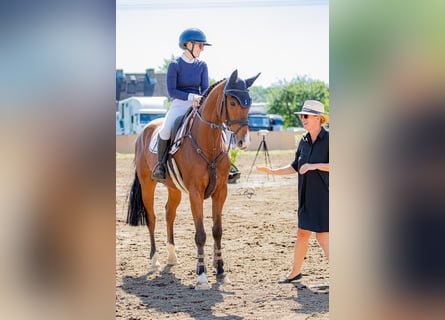
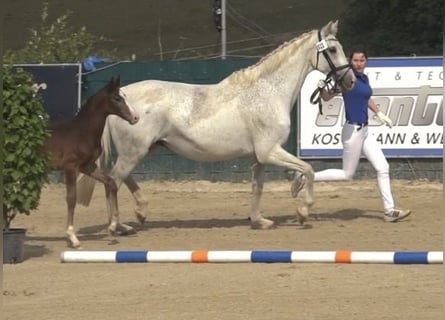
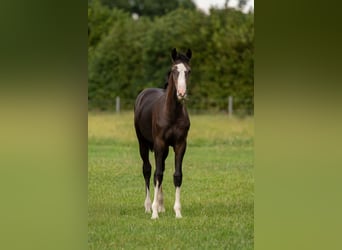
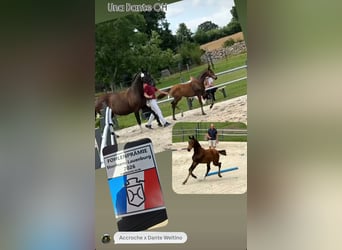
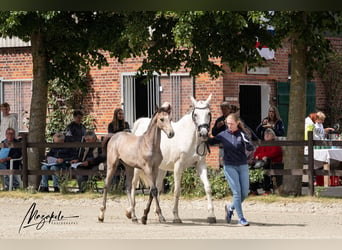
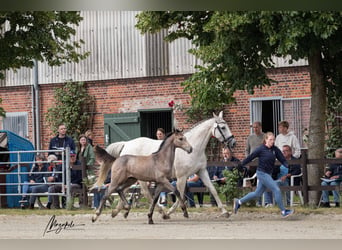
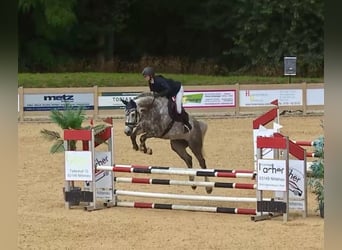
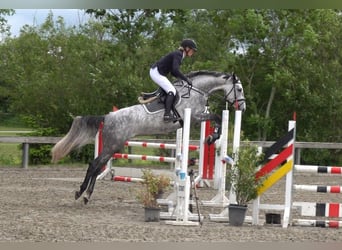
The state of Schleswig-Holstein in the north of Germany has been famous for its horses since medieval times. The modern Holstein horse, or Holsteiner, is the outcome of centuries of knowledgeable horsemanship and breeding. Today, these superb warmblood athletes are the first choice of many top-ranking riders in show jumping, dressage and eventing. Breeders who produce and sell a Holstein are experts in maintaining the sought-after qualities of their breed. When equestrians buy a Holstein, their registered horse will have been marked as a foal with the crowned brand and a life number on the left hip to identify them.
Origin and history of breeding Holsteiner horses
The modern Holstein is a warmblood. This means it carries the genes of horses that are described as hot-blooded, such as the Arab horse, as well as “cold-blooded” ancestry from northern European types. Horses from Holstein played a key role throughout some of Europe’s most troubled times. As with so many European breeds, some of the earliest ancestors of the Holstein were probably wild or semi-feral stock, running in the marshes alongside the Elbe River. The recorded history of a breed here begins with a reference in 1285 to horses bred by monks, who were given permission to graze their horses on land near their monastery at Uetersen. In the 1300s, there is a record of a donation by the monks of two young horses to the local landowners at Neumünster. Monastic bred horses for warfare were an important part of the European economy. During the 16th and 17th centuries, as Neapolitan and Spanish warhorses gradually replaced medieval destriers, breeders in Schleswig-Holstein adapted and thrived. A royal stud was established at Esserom by Christian V in the 17th century, and the famous white horses began to be bred. In the early 1800s, with a demand for carriage and coach horses increasing, Yorkshire Coach Horse stallions were imported. For much of their history, Schleswig and Holstein were independent duchies. When Prussia annexed them in the 19th century, the Prussians established the Traventhal Stud. Today, the German Holsteiner Assocciation strictly controls the quality of the breed, and the results speak for themselves, with Holstein horses consistently performing and winning at Olympic level.
Holsteiner horses in equestrianism
During the 19th and 20th centuries, horses of many breeds, including the grey Anglo-Arab Ramzes AA, the TB Cottage Son XX, and the Selle Français Cor de la Bryére, contributed to the breeding program. The history of the Holstein horse is a textbook example of how experienced breeders successfully adapt to meet changing needs.
Use and characteristics of Holsteiner horses
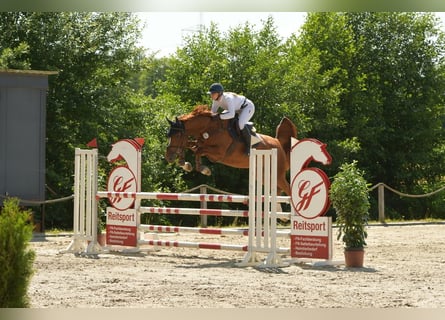
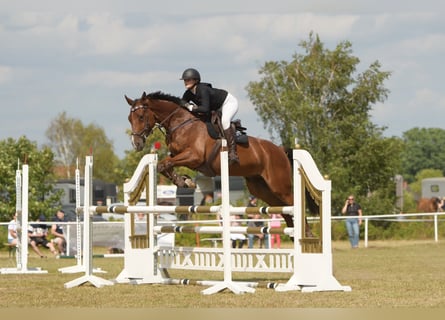
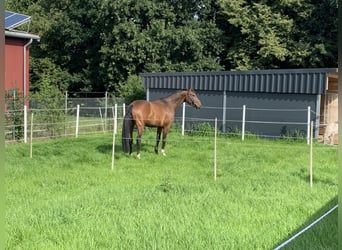
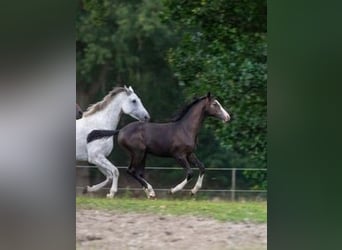
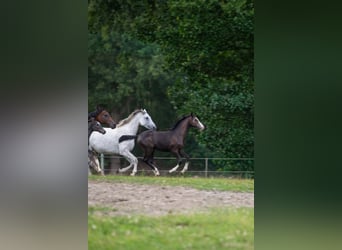
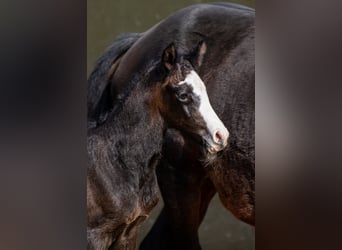
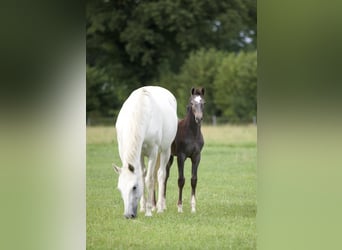
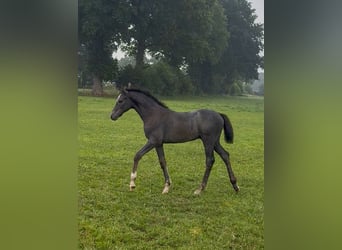
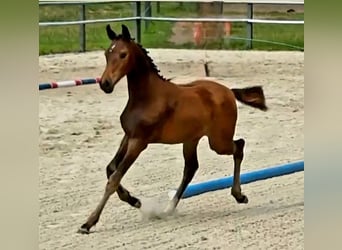
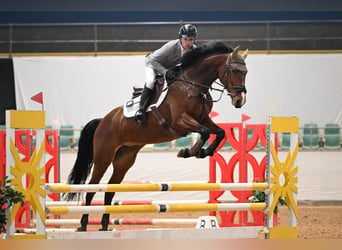
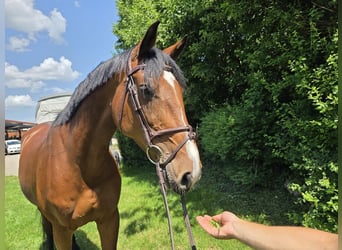
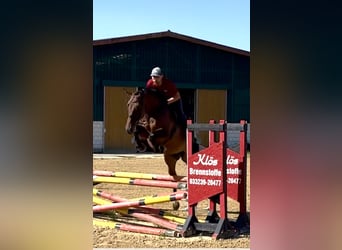
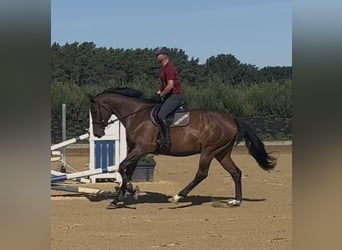
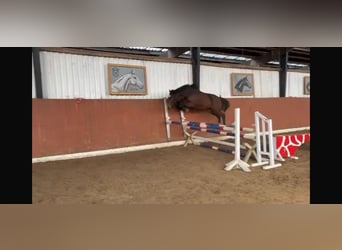
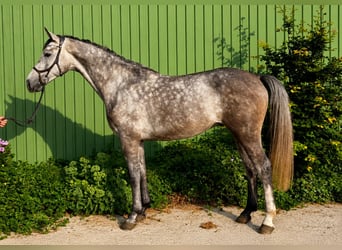
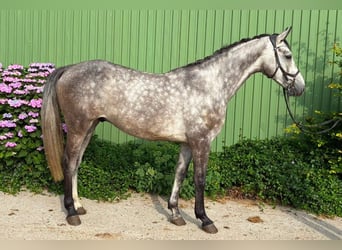
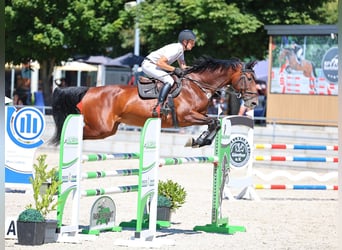
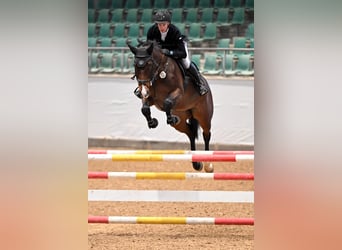
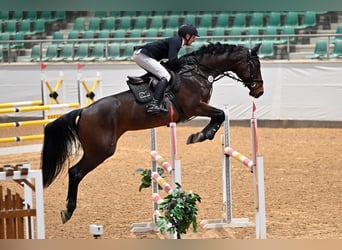
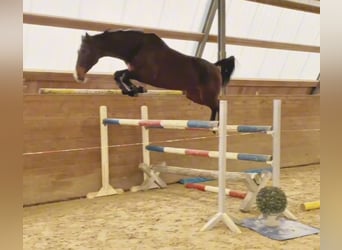
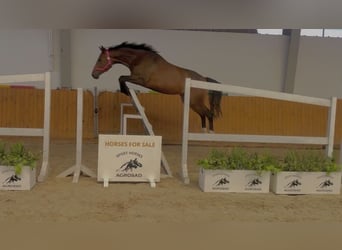
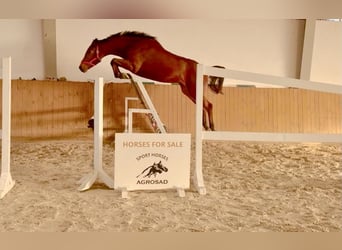
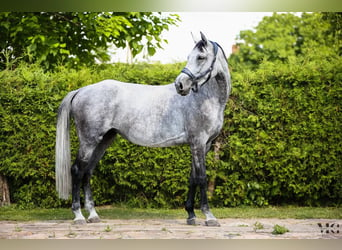
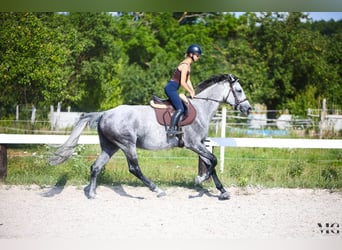
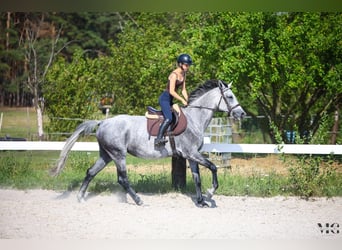
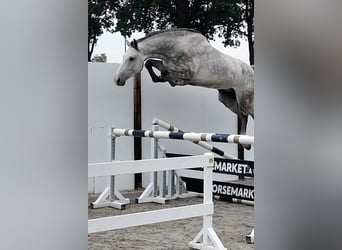
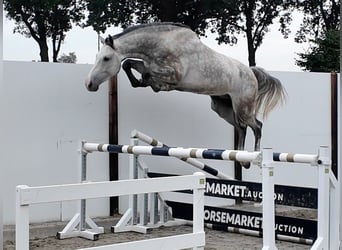
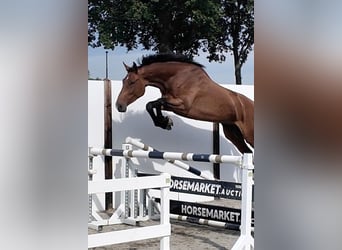
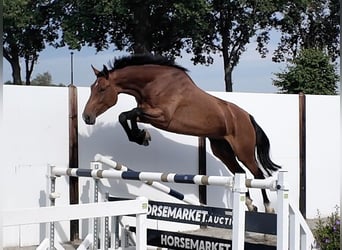
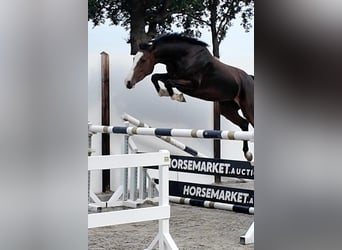
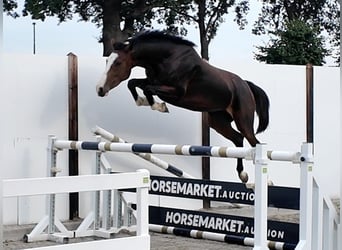
Standing between 16 hands (64 inches/163 cm) and 17 hands (68 inches/173 cm) high, Holsteins are excellent riding and competition horses. Breeders and trainers who sell a Holstein maintain their quality and height by setting conformation and minimum height standards for both stallions and mares. This means that any riders planning to buy a Holstein know their chosen horses are the outcome of highly selective breeding by experts. Black, dark bay and brown coat colors predominate, though there are chestnut and grey Holsteins as well. Pinto, spotted and palomino colors are viewed as non-Holstein coloring, though this is complicated by the fact that one Holstein sire did produce palomino and buckskin (dun) horses. Above all, Holsteins are athletes with great scope, or span, in jumping. Their athleticism can be seen in the bascule – the elevated, rounded jump that clears obstacles with ease and grace. It shows in their active, extended movement, too, which is often described as “elastic”.
Interior of Holsteiner horses
Holsteiners are renowned for their strong and powerful physiques. They boast a deep chest, sizeable frame, and well-muscled legs that make them ideal for the show ring or dressage arena. Holsteiners also tend to have a natural balance and grace about them – making them very easy to ride.
Their inner strength is just as notable as their physical appearance. These horses are extremely intelligent and can easily be trained in any discipline they choose. Additionally, they also possess great longevity, giving them an impressive lifespan of over 20 years in most cases!
The most distinguishing feature of a Holsteiner is its impressive stride ability. This breed is known for producing massive strides that cover enormous distances – something which has become highly valued in the equestrian world today.
Holsteiners can also be found with many different coat colors such as black, bay, brown or grey. But no matter what color they come in – these horses always carry a classic elegance with them – turning heads wherever they go!
Exterior of Holsteiner horses
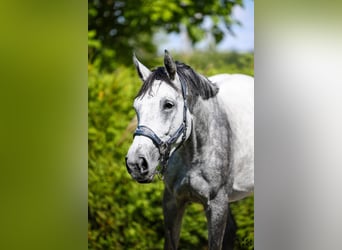
Holsteiners have attractive exteriors that make them easily recognizable in the show ring. Their physical characteristics include an impressive stature – with a long, sloped neck and deep chest. Their legs are well-muscled and powerful, and their heads tend to be refined and elegant.
These horses also come in many different colors such as black, bay, brown or grey. Each is unique in its own way and can help distinguish one horse from another.
The most notable feature of Holsteiner horses is their large frames which lend them athleticism and mobility. This breed is well known for producing massive strides that cover enormous distances – something that has become highly valued in the equestrian world today.
What's more, these horses also possess great courage and willingness - allowing them to adjust quickly to difficult situations while still being able to perform at a high level. All of these characteristics combined make the Holsteiner one of the most popular breeds among riders around the world!
History of Holsteiner horses
The Holsteiner horse originated in the north of Germany and is believed to date back to at least the medieval period. The breed was originally used for war and hunting, but later became popular among local nobility, who used them for sport and leisure activities.
In more recent times, Holsteiners were selectively bred to become top performance horses that could compete in show jumping, dressage, and eventing. This eventually led to the creation of the modern Holsteiner horse – renowned for its powerful strides and agility.
The breed has been highly sought after throughout Europe ever since it’s modern revival in the late 19th century. In fact, many European countries have established their own specific breeding programs and registry for this esteemed horse – ensuring its survival over time.
Today, Holsteiners are prized for their willingness and courage in competitions of all kinds – from local shows to international events such as the Olympic Games. They have gone on to become one of the most respected breeds in equestrian circles around the globe!