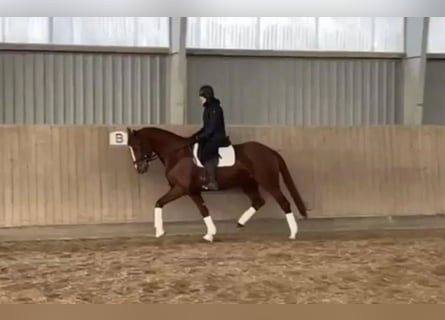
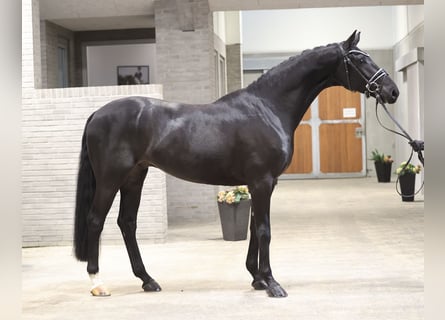
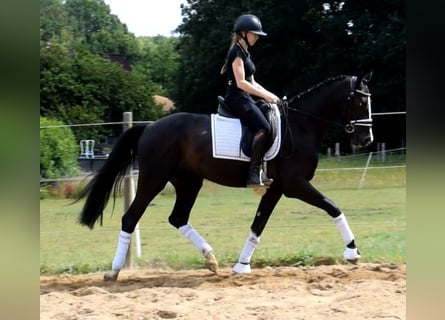
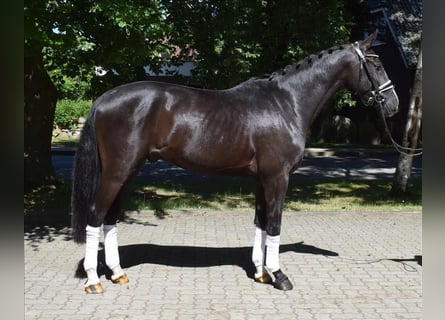
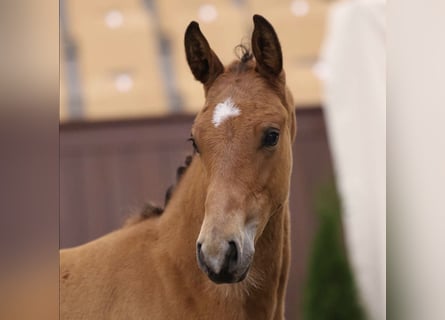
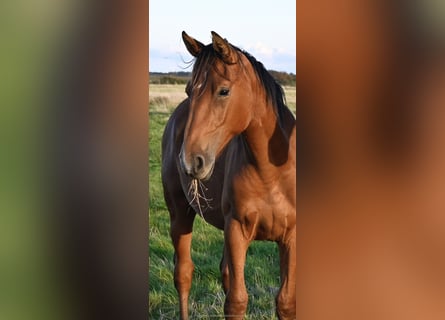
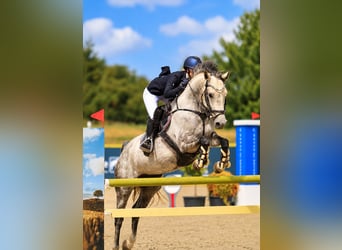
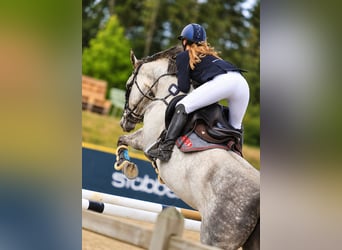
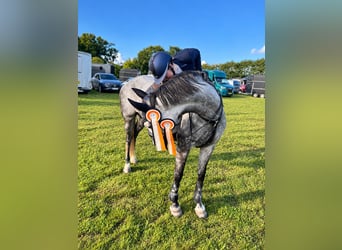
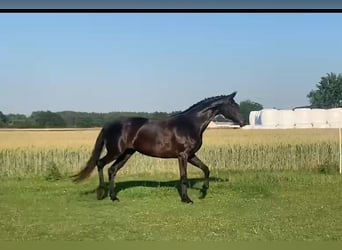
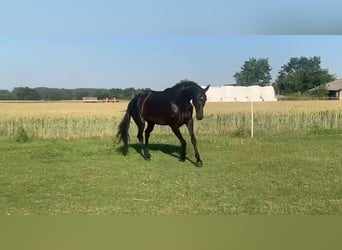
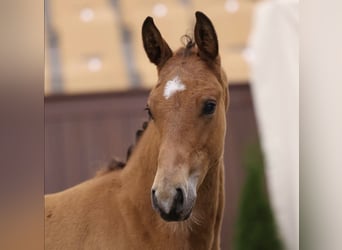
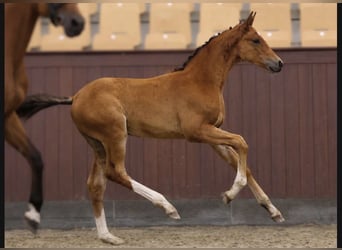
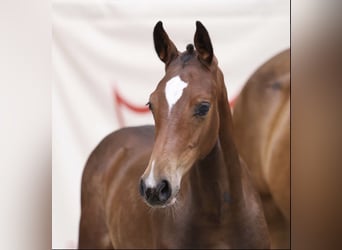
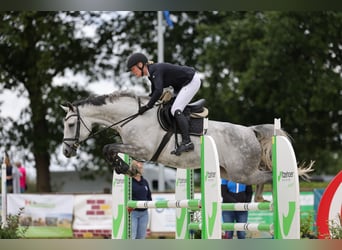
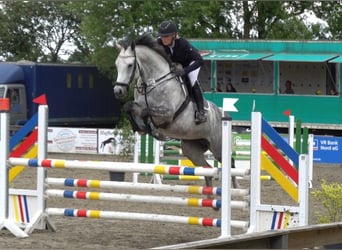
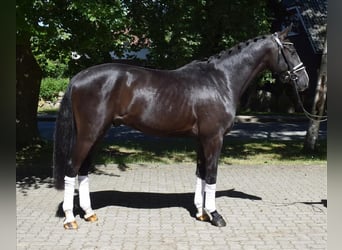
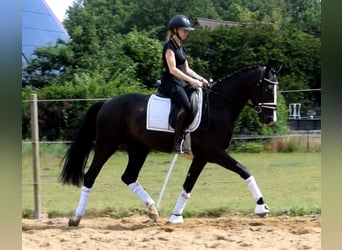
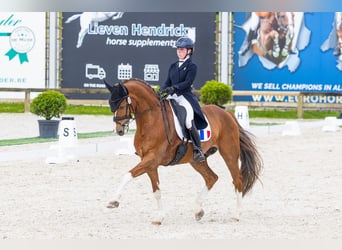
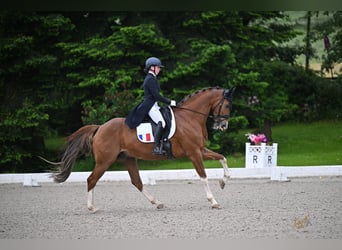
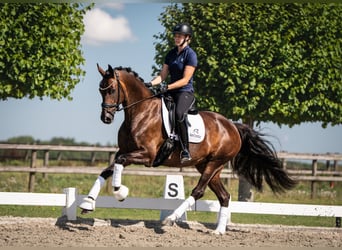
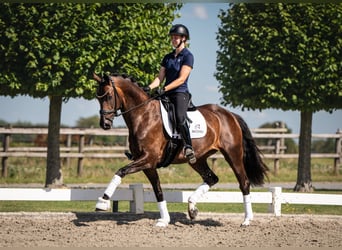
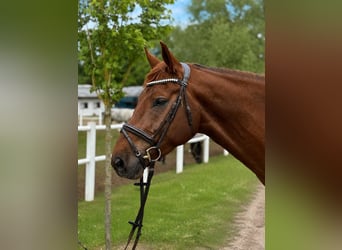
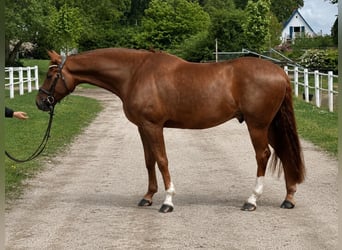
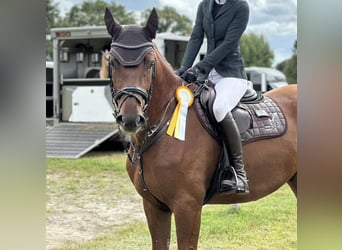
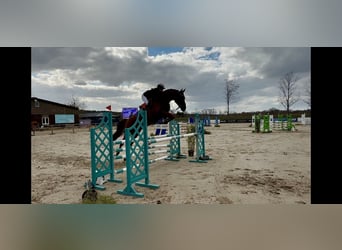
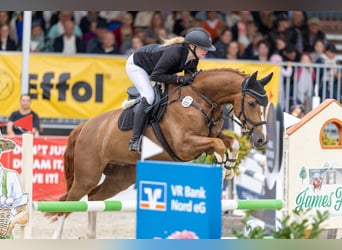
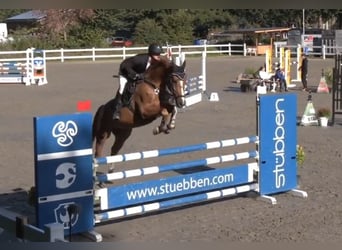
Danish Warmbloods for sale on ehorses
Although Denmark has a long history of producing horses of high quality, the Danish Warmblood (Dansk Varmblod) is a relatively recent breed, dating to the mid-1960s. These substantial, athletic horses are perhaps less well-known than other European warmbloods . However, by focussed and selective breeding, Denmark has produced a horse of equal worth to other sports horses in a remarkably short space of time. Equestrians looking for a larger-framed sports horse are often interested in a Danish Warmblood, and the breed has developed over the last five decades. Since 2001, breeders in the USA who are selling a Danish Warmblood have the support of the North American Danish Warmblood Association. With a registry of 3,500 foals annually, the breed is not only well-established in Denmark but also gaining interest elsewhere.
Use and Characteristics of the Danish Warmblood
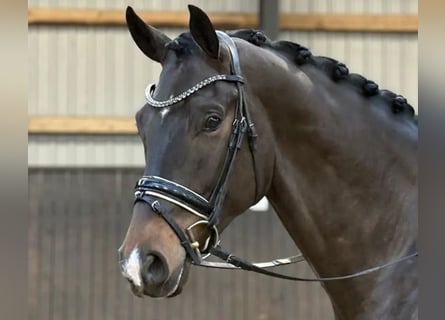
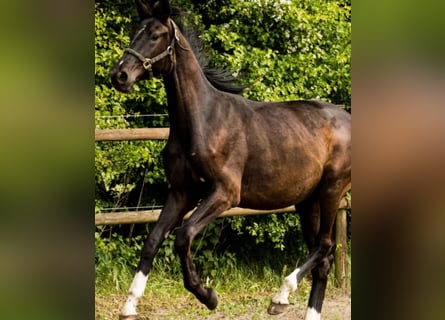
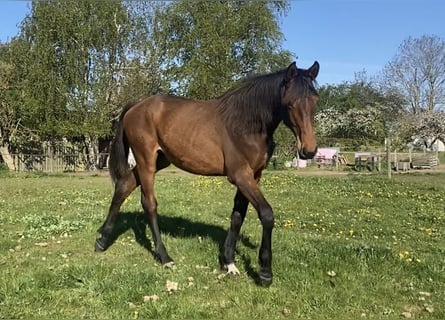
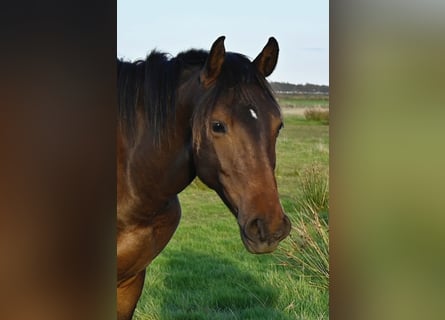
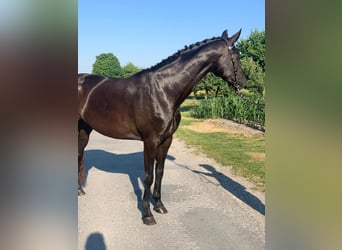
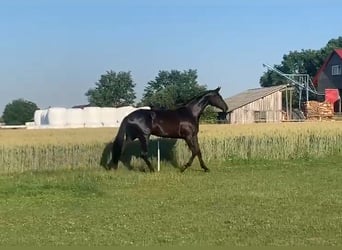
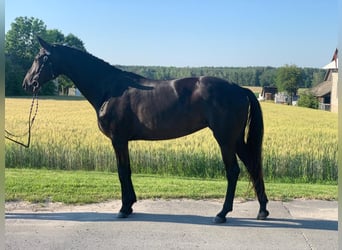
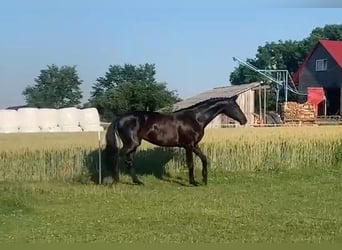
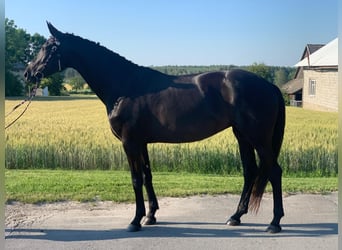
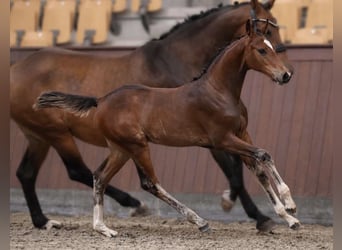
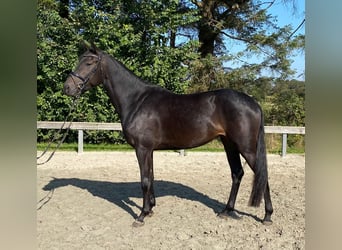
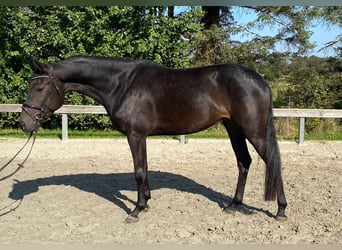
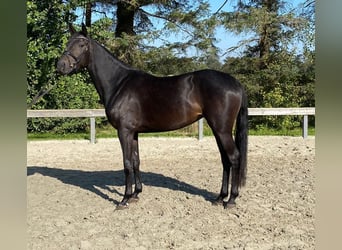
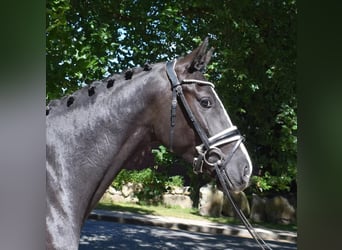
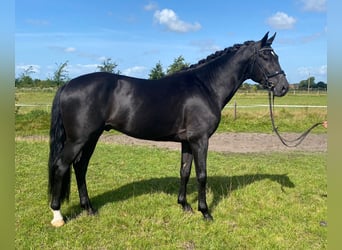
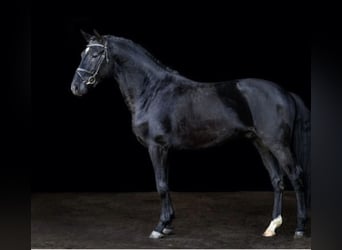
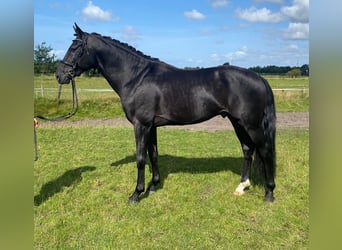
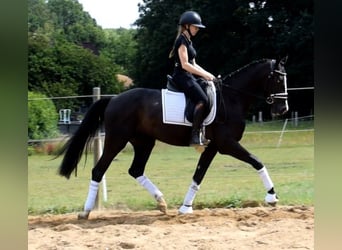
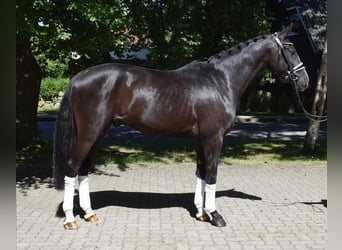
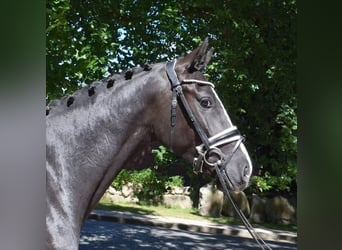
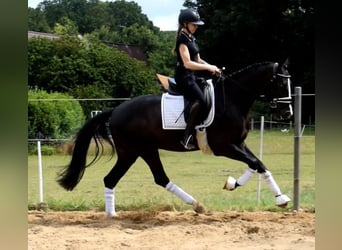
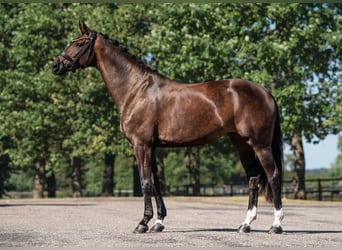
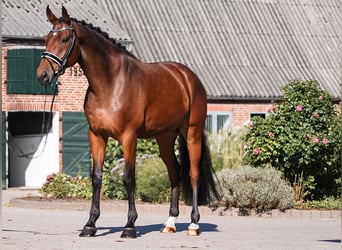
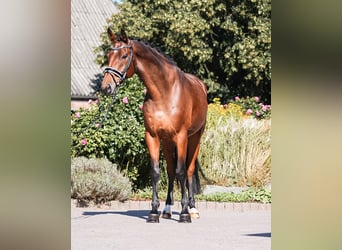
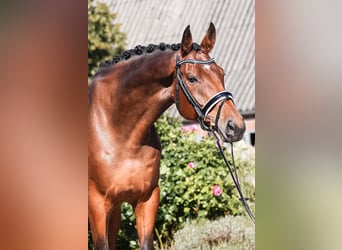
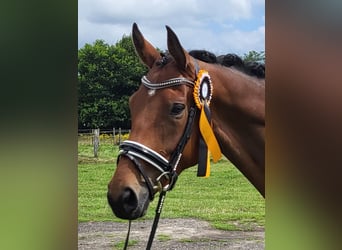
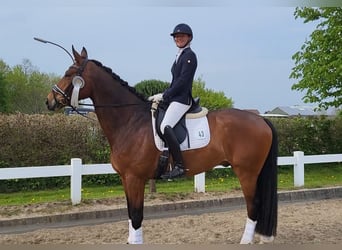
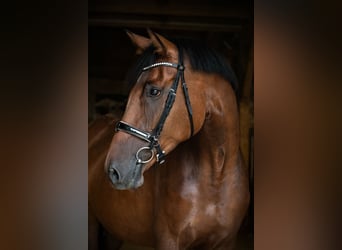
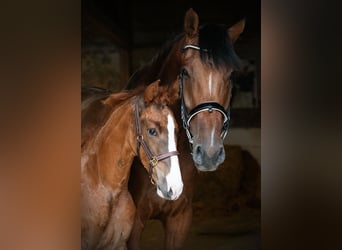
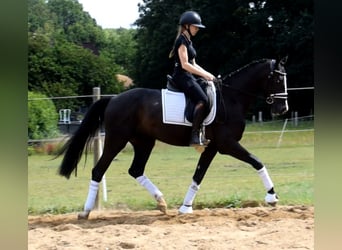
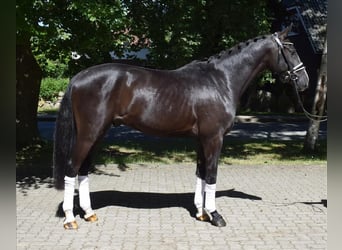
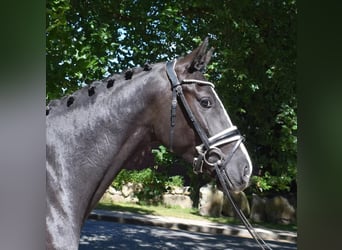
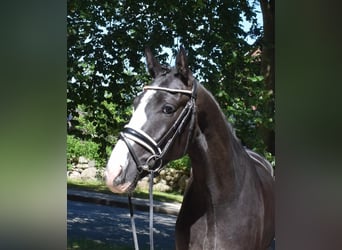
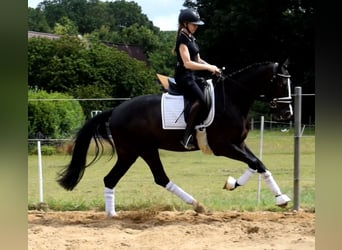
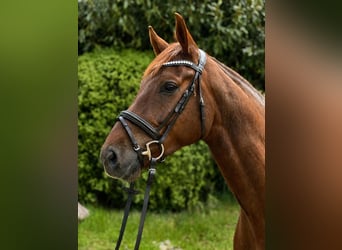
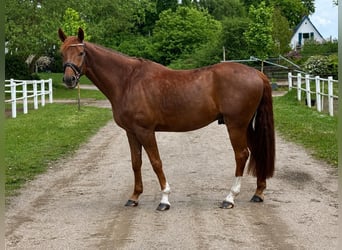
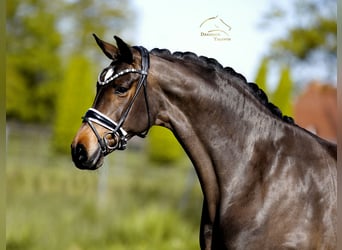
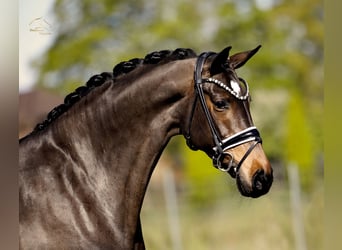
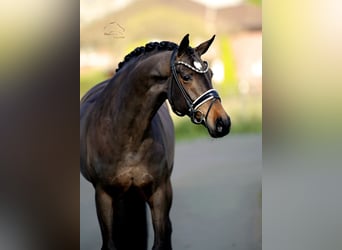
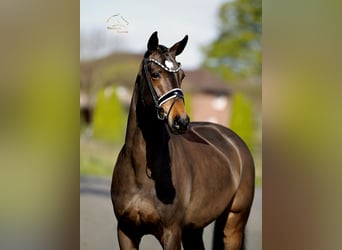
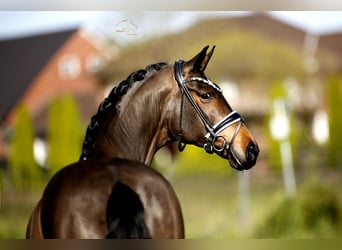
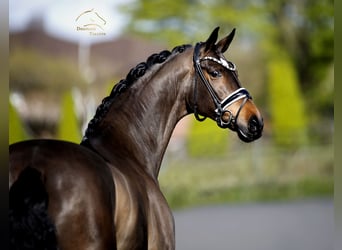
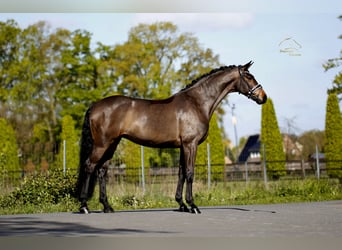
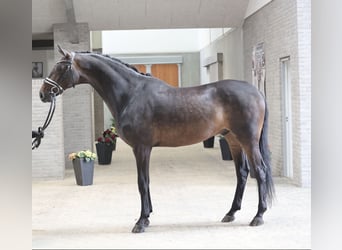
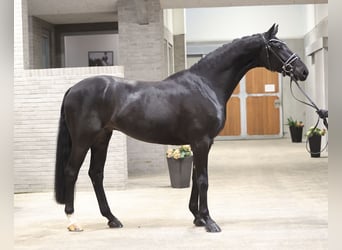
Danish Warmbloods are tall horses, standing between 15.3 hands (63 inches/160 cm) and 17 hands (68 inches/173 cm) high. Their compact shape, with long shoulders and well-defined withers, ensures good saddle fit and comfort for both horse and rider. Necks are long and muscular with handsome and well-set heads. Equestrians buy a Danish Warmblood for their excellent temperaments and courageousness in competition. Coats can be any solid colour, though dark colours such as black, dark brown and bay tend to predominate, along with chestnut. Breeders who sell a Danish Warmblood stallion for breeding must ensure that the horse has participated in a "100 day test" for rideability and competitive performance.
Origin and history of breeding Danish Warmblood horses
In early modern times, Denmark’s most famous horse breed was the Frederiksborg , a horse that was greatly desired by the European aristocracy. In fact, by the nineteenth century, so many had been sold all over Europe that the main Frederiksborg stud was struggling to find enough Frederiksborg horses to continue. As Thoroughbred horses were so popular at this time, the stud began to breed Thoroughbreds, but without the success it had achieved through breeding Frederiksborgs .
Fortunately, Frederiksborg breeding continued in the hands of private owners. Sufficient Frederiksborg horses remained to provide foundation stock which, crossed with Thoroughbreds , formed the basis of the Danish Warmblood. The second stage of breeding involved mares from the first crosses being bred to other Thoroughbreds as well as Anglo-Norman horses and Trakehners. At first, the emerging breed was called the Danish Sporthorse, and its registry and organisation, the Danish Sporthorse Breed Society, were established in 1962. This was a key period for the sports of show jumping and eventing, and the Danish Sporthorse was originally intended to be an excellent all-round sports horse, suitable for any of the main three equestrian disciplines: eventing, show jumping and dressage. From 1963 onward, graded and registered horses of the breed have carried the brand of the Crown over the Wave, a logo which is symbolic of Denmark as a sovereign state almost surrounded by water. With increasing specialisation within equestrian sport, the focus has changed since the Danish Sporthorse became the Danish Warmblood in 1980. From 2004, individual breeders have tended to focus on producing horses for either dressage or jumping.
Danish Warmblood Horses in Equestrianism
Because neighbouring Sweden had a centuries-old tradition of breeding riding horses, whereas Denmark’s horse breeds, the Frederiksborg and Knabstrup were mainly carriage breeds, Denmark was able to use stallions of the Swedish Flyinge Stud such as Mozart, Herzog and the famous Epok. Marzog, son of Herzog, won silver at the European Dressage Championships and was given the title “Dressage Horse of the Century” in 1999.